
Your roof is your home’s first line of defense against the elements—but year-round exposure takes a toll. Knowing the early warning signs of shingle damage can help you address minor issues before they turn into costly structural repairs. Here is what to look for, why it happens, and how to fix it.
Most Common Shingle Problems
Two of the most frequently reported shingle issues are curling and cracking.
Curling & Cupping: Look for lifted edges or upturned corners. This is often caused by poor attic ventilation or “thermal shock” (rapid temperature drops that force the shingle to contract). Both issues prevent your roof from shedding water effectively.
Cracking: While natural on an aging roof, premature cracking on newer shingles points to poor ventilation, deck shifting, or installation errors. Cracked shingles instantly break your roof’s water-tight barrier and require immediate attention.
See why homeowners trust DaBella with their roof replacement
Granule Loss, Bald Spots, and Surface Wear
Asphalt shingles are coated with a top layer of finely crushed mineral granules that serve two important purposes: they give shingles their color, and they act as a protective barrier against UV radiation, weathering, and fire. When these granules begin to detach from the shingle’s surface, the underlying asphalt mat becomes directly exposed to the elements, which accelerates degradation and shortens the roof’s overall lifespan.
Some granule loss is normal over the life of a roof, but concentrated bald spots or a large accumulation of granules in gutters and downspouts are warning signs of a more serious problem. Possible causes include uneven asphalt application during manufacturing, overheating of the shingle due to poor ventilation, or impact damage from severe weather. Left unaddressed, significant granule loss leads to UV damage of the exposed mat, increased susceptibility to moisture infiltration, and ultimately roof failure.
Moisture-Related Issues: Algae, Mold, and Mildew
Dark streaks running down the surface of a roof are almost always caused by a blue-green algae called Gloeocapsa magma. Carried by the wind and local wildlife, this algae thrives in humid climates and on shaded, north-facing sections of your roof. While the black streaks look like cosmetic dirt, the algae is actually feeding on the limestone filler in your shingles, gradually weakening them.
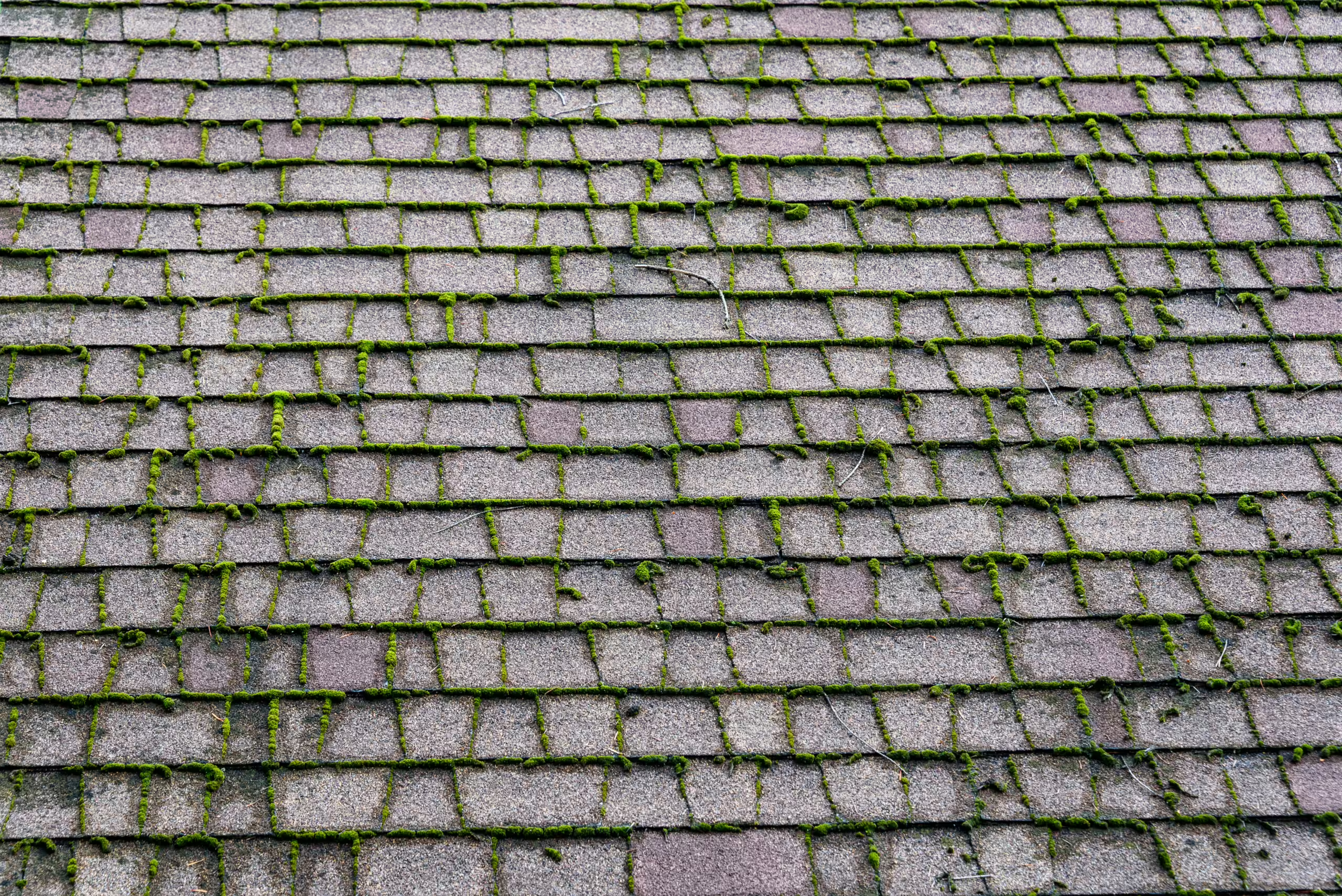
Moss is a separate but related concern. Unlike algae, moss physically lifts shingle edges as it grows, creating gaps that allow water to migrate underneath. This trapped moisture can damage the roof deck and underlayment, and if left untreated, can cause wood rot.
Practical cleaning methods include applying a diluted bleach solution or a commercially available roof cleaner specifically formulated for biological growth. In regions with consistently high humidity, installing algae-resistant shingles with embedded copper or zinc granules provides ongoing protection. Regular inspection and cleaning are the most effective long-term prevention strategies.
Installation, Ventilation, and Structural Causes
Even high-quality shingles will fail ahead of schedule if they are installed incorrectly or placed on a roof system with inadequate ventilation. Common installation errors include misaligned shingles, incorrect nailing patterns, improper sealing in valleys and around flashing, and installing new shingles over an uneven existing layer without a full tear-off. Nails placed too high, too low, or at an angle reduce the shingle’s wind resistance and create pathways for moisture to enter the roof system.
Attic ventilation plays a critical role in shingle health that homeowners often overlook. A properly ventilated attic maintains balanced airflow that prevents heat from building up beneath the roof deck in summer and moisture from accumulating in winter.
When ventilation is inadequate, attic temperatures can rise dramatically, effectively baking the underside of the shingles and accelerating granule loss, blistering, and curling. In colder months, poorly ventilated attics allow warm moist air from the living space to condense against the cold deck, promoting mold growth and wood rot. Adequate insulation works alongside ventilation to regulate these temperature and moisture differentials.
Weather Damage and Environmental Stressors
Wind, hail, and temperature extremes each place distinct physical stress on shingle roofing systems. Strong winds can lift shingle edges and, at sufficient speed, detach shingles entirely from the roof deck. This is especially likely when the self-sealing adhesive strip on the underside of the shingle has become brittle with age or was never properly engaged during installation.
Hail impacts dislodge granules, leaving circular exposed areas on the shingle surface that are often mistaken for blistering. Repeated impact from hailstones also bruises the underlying asphalt mat, reducing its structural integrity over time.
In hot climates, sustained high temperatures dry out and harden the asphalt, making shingles brittle. In cold climates, freeze-thaw cycles create significant mechanical stress. Ice damming is a particularly damaging winter phenomenon: snow on a warm upper roof melts and flows toward the colder eave area, where it refreezes and forms a ridge of ice. Water backs up behind this dam and can seep beneath shingles and into the roof deck, causing leaks, damaged insulation, and interior ceiling stains. Proper attic insulation and ventilation are the most effective tools for preventing ice dam formation.
Consequences, Inspection, and Repair Options
When shingle problems go unaddressed, the consequences extend well beyond the roof surface. Water infiltration from damaged shingles can saturate the roof deck, degrade the underlayment, and eventually penetrate ceiling and wall assemblies, leading to structural damage and mold growth inside the home. A compromised roof also reduces a home’s energy efficiency, as gaps and moisture damage to insulation allow conditioned air to escape and outdoor temperatures to influence the interior.
Before calling a professional, homeowners can perform a basic visual inspection from the ground using binoculars. Signs to look for include curled, cracked, or missing shingles; dark streaking or biological growth; granule accumulation in gutters; and sagging areas that may indicate deck damage. Inside the home, water stains on ceilings or in the attic are a reliable indicator of active leaks.
When fewer than a quarter of the shingles are damaged and the roof is relatively young, targeted repair may be a practical and cost-effective solution. When damage is widespread, the roof is approaching the end of its service life, or structural issues are present, full replacement is typically the better long-term investment. Any repairs should be evaluated by a licensed roofing professional before determining the appropriate course of action.
How the GAF Timberline HDZ Asphalt Shingle Addresses These Issues
When standard shingles fail, the consequences range from minor leaks to major structural damage. That’s why we rely on materials engineered to fight back. The GAF Timberline HDZ asphalt shingles are designed to directly counter the most common causes of roof failure.
The GAF Timberline HDZ asphalt shingles are engineered to directly counter many of the most common causes of shingle failure. Its LayerLock Technology mechanically fuses overlapping shingle layers together during installation, creating a stronger bond than adhesive alone and significantly reducing the risk of wind lift. When installed as part of a complete qualifying GAF roofing system, the Timberline HDZ is eligible for the WindProven Limited Wind Warranty, which carries no maximum wind speed limitation for the 15-year coverage period.
To combat algae growth, the Timberline HDZ features StainGuard Plus Time-Release Algae-Fighting Technology, which uses copper microsites embedded in the granules that release over time to inhibit the growth of blue-green algae. This protection is backed by a 25-year StainGuard Plus Algae Protection Limited Warranty against blue-green algae discoloration.
The shingle carries a UL 2218 Class 3 impact rating, meaning it has been independently tested to withstand steel ball impacts up to 1.75 inches in diameter dropped from 20 feet, offering meaningful protection against moderate hail events. For areas with frequent severe hail, GAF also offers the Timberline AS II, which carries a Class 4 impact rating using SBS polymer-modified asphalt.
The StrikeZone nailing area is a manufacturer-tested feature that guides installers toward correct nail placement, reducing the likelihood of improper nailing patterns that lead to premature wind damage or shingle displacement. By addressing algae resistance, wind performance, impact protection, and installation accuracy in a single product, the Timberline HDZ provides a more resilient foundation against the full range of common shingle failure causes.
Get the most comprehensive warranty with GAF when you choose DaBella
Contact Us Today for a Free Roof Replacement Quote
When it comes to protecting your home with a new roof, the quality of both the product and the installer matters. DaBella installs GAF Timberline HDZ asphalt shingles, which are available in a wide range of colors to complement any home exterior.
As a GAF Master Elite roofing contractor, DaBella is part of an exclusive group representing only 2% of roofers in North America who have met GAF’s rigorous standards for licensing, insurance, ongoing professional training, and documented customer satisfaction. This certification gives you access to GAF’s strongest warranty options, including the Golden Pledge Limited Warranty (up to 50 years of material coverage and 25 years of workmanship).
Get Your Free Roof Replacement Quote Today
Don’t wait for a minor shingle issue to become a major structural repair. Get Your Free Roof Replacement Quote Today or call us directly at 1-844-DABELLA.