
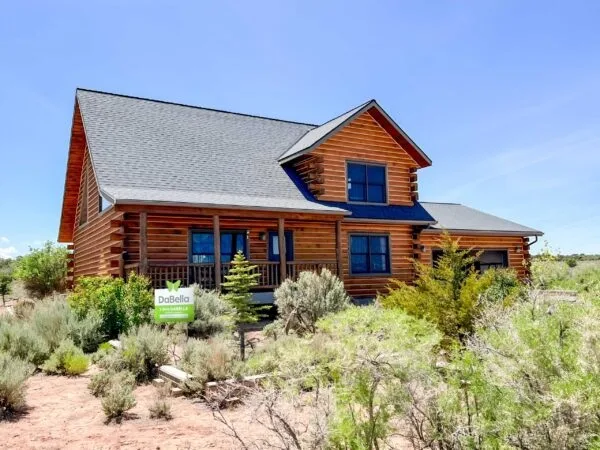

A dead valley is an area of a roof that receives water from surrounding slopes but cannot properly drain or direct it, causing the water to pool. It most commonly forms where two opposing roof slopes converge onto a flat or nearly flat section, leaving water with nowhere to go. In technical terms, roofing professionals sometimes describe this as where one roof eave runs directly parallel to another, creating a low, stagnant zone between them.
Dead valleys can occur on many roof styles but are especially common on homes with complex roof lines featuring multiple intersecting planes. They are most frequently found where a lower roof section butts up against a wall or vertical surface, or where a secondary roof addition meets the original structure at an unfavorable angle. Because valleys already concentrate more water volume than the rest of a roof by design, any valley that fails to keep that water moving becomes a serious liability.
The problem typically develops from the way a roof was originally designed and built rather than from material failure alone. When an architect or builder does not account for how two converging planes will handle drainage, or when an addition is constructed without careful attention to slope continuity, a dead valley is the result.
Why Is a Dead Valley on a Roof Bad?
Pitched roof materials like asphalt shingles are engineered to move water in a single direction: downward and off the roof. They are not designed to handle standing water, which can work its way beneath shingles from underneath, where there is far less protection against moisture intrusion. Once water penetrates the underlayment through a seam and reaches the raw roof decking, wood rot becomes a likely outcome.
Debris accumulation makes the problem significantly worse over time. Leaves, dirt, and granules washed from shingles tend to collect in the stagnant water of a dead valley, becoming saturated and heavy enough to stay in place rather than being carried off. This organic buildup creates a consistently moist environment that accelerates deterioration of roofing materials and can promote mold and mildew growth on the decking and structural components beneath.
In colder climates, standing water in a dead valley can freeze. As ice builds up, it blocks any remaining drainage and can force water to work backward underneath the shingles, a phenomenon similar to ice damming. This can push moisture deep into the roof assembly before temperatures rise enough for the ice to melt.
The longer a dead valley goes unaddressed, the greater the structural risk. Prolonged moisture exposure can compromise roof decking integrity and, in serious cases, affect the rafters and framing below.
How Does a Roofer Fix a Dead Valley?
The core goal of any dead valley repair is to restore consistent downward movement of water until it safely reaches a gutter or drain. Roofers have several methods available depending on the severity of the slope problem and the size of the affected area.
One of the most common structural solutions is the installation of tapered insulation panels, which build up the low area to create a gradual slope where one did not previously exist. For smaller corrections, typically where the slope needs to be raised by around 12 inches or less, tapered panels are usually sufficient. Larger corrections that require raising the slope by more than 12 inches call for knee wall construction, which involves framing a small supporting wall beneath the roof deck to elevate it to the proper angle.
Another widely used solution is the installation of a cricket, sometimes called a saddle. A cricket functions essentially as a miniature hip roof built perpendicular to a wall or vertical surface. Rather than allowing water to converge and pool at the base of that surface, a cricket divides the flow into two channels and redirects it away. Crickets are particularly effective where a roof section meets a chimney, a dormer wall, or another vertical plane that would otherwise create a collection point. By splitting the water volume in two and diverting it around the obstruction, a cricket eliminates the conditions that allow a dead valley to form.
Valley flashing and metal pan valleys offer another layer of protection, particularly in cases where full structural correction is difficult. A professionally installed metal valley pan creates a smooth, sealed channel through which water and debris can flow more freely. When fabricating a metal pan for a dead valley, contractors must ensure the metal extends far enough up both adjoining roof planes to account for the potential of water washing upward during heavy rain. Care must also be taken to avoid contact between dissimilar metals, which can cause corrosive reactions over time.
Other Options for Fixing Dead Valleys
In situations where correcting the slope is not feasible due to the scale of the roof or cost considerations, changing the roofing material in the dead valley area can provide meaningful protection. Standard asphalt shingles should be replaced in that zone with materials suited for low or flat slope applications. Self-adhesive modified bitumen is one such material, coming in wide rolls that dramatically reduce the number of seams present and adhering directly to the roof deck to create a continuous waterproof barrier. Thermoplastic polyolefin (TPO) and ethylene propylene diene monomer (EPDM) are synthetic roofing membranes also used in these low-slope areas, both offering flexibility and resistance to UV degradation that standard shingles cannot provide. While these materials are more commonly associated with commercial flat roofs, they are legitimate and effective solutions for residential dead valley areas where adequate drainage slope cannot be achieved.
A qualified roofing professional should always assess a dead valley before any corrective work begins. The right solution depends on the specific geometry of the roof, the degree of the slope deficiency, the local climate, and the condition of the existing decking and structure. A thorough inspection will determine not only which repair method is appropriate but also whether any water damage has already occurred beneath the surface and needs to be addressed before new materials are installed.
Does a Dead Valley Mean You Need a Full Roof Replacement?
Not every dead valley requires a complete roof replacement, but whether one is warranted depends heavily on the age of the roof, the extent of any water damage, and the condition of the surrounding materials. If the dead valley is caught early and the decking beneath it remains structurally sound, a targeted repair involving regrading the slope, installing a cricket, or switching to a low-slope roofing membrane in that zone may be all that is needed. In these cases, the rest of the roof can often remain in place provided it is otherwise in good condition.
However, if a dead valley has been present for an extended period and water has been quietly working its way into the roof assembly, the damage may be far more widespread than it appears from the surface. Saturated decking, compromised underlayment, and deteriorated shingles in adjacent areas can make a localized repair impractical or cost ineffective. When a roof is also approaching the end of its expected service life, which is typically 20 to 30 years for standard asphalt shingles, addressing a dead valley during a full replacement is usually the smarter long-term investment. Replacing the entire roof at once allows the contractor to correct the drainage problem properly, replace any damaged decking, and install new materials over the full surface without creating mismatched sections that may cause issues down the road.
The decision comes down to what a professional inspection reveals. A reputable contractor will assess the full scope of the damage, not just the visible problem area, and give you an honest recommendation based on what they find rather than defaulting to the most expensive option. If your roof is relatively new and the dead valley is the only issue, a repair is a reasonable path forward. If the roof has aged and the dead valley has been contributing to hidden damage for years, a replacement may be the more cost-effective choice over time.
Is Your Home in Need of a Roof Replacement?
If your roof has a dead valley or you suspect water has been pooling in a problem area, a professional inspection is the right first step. DaBella is a GAF Master Elite roofing contractor, a distinction earned by fewer than 2% of roofing contractors in the country, which means every installation meets GAF’s highest standards for quality and professionalism. We install GAF Timberline HDZ asphalt shingles, available in a wide range of colors to complement any home exterior.
DaBella has the expertise to assess your roof honestly and recommend the right solution for your home and budget. Contact DaBella today at 844-DaBella to schedule your free quote and evaluation and take the guesswork out of your roof’s condition.