
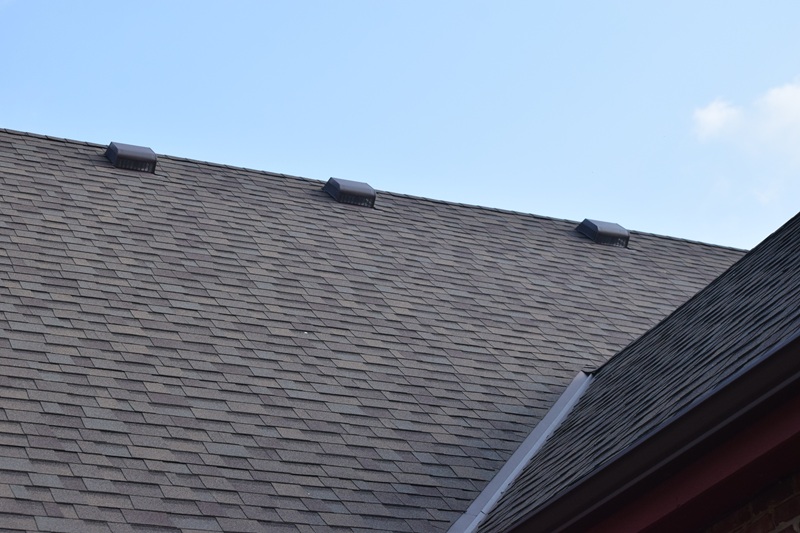
A roof valley is the V-shaped channel where two sloping roof planes meet. Because it sits at the intersection of two slopes, every drop of rain or snowmelt that falls on either adjoining roof section flows directly into and through the valley before reaching the gutters. That concentrated flow makes valleys one of the most important and most vulnerable components of any roofing system. In colder climates, valleys also help manage snowmelt, reducing the chance of ice dams that can force water back up under shingles and into the home.
Beyond water management, roof valleys protect your home’s structural integrity. When professionally installed and maintained, they prevent water from pooling against the roof deck, which can otherwise lead to wood rot, mold growth, and deterioration of the underlying structure. A compromised valley does not simply create a leak. It creates the conditions for significantly more expensive damage throughout the roof assembly and the home below it.
What is a Roof Valley and What Does a Roof Valley Look Like?
From the ground, a roof valley appears as a diagonal line or crease running down the slope where two sections of the roofline converge. On homes with multiple gables, dormers, or intersecting roof pitches, several valleys may be visible at once. Depending on the type of valley installed, you may see a strip of exposed metal running along that line, or the valley may be covered entirely by shingles with no metal visible. Both appearances are normal and represent two distinct approaches to valley construction.
Types of Roof Valleys
There are two primary categories of roof valleys used in residential roofing: open and closed. Each has distinct construction methods, performance characteristics, and aesthetic outcomes.
An open valley features a visible strip of metal flashing running along the length of the valley, with shingles cut back from both sides to expose the metal surface. The smooth metal channel allows water and debris to move through quickly, and because the metal is exposed, the valley is straightforward to inspect and clean. In regions with heavy rainfall or significant snowfall, open valleys are often the more practical choice because the unobstructed channel facilitates swift water flow and reduces the likelihood of water-related issues.
A closed valley is covered entirely by shingles, creating a continuous, uniform appearance across the roof surface with no visible metal. There are two methods used to achieve this. In a woven valley, shingles from each adjoining roof plane are alternated and layered across the valley line in an interlocking pattern. In a closed-cut valley, shingles from one side extend fully across the valley while shingles from the opposite side are trimmed neatly along a straight line. Closed valleys appeal to homeowners who prefer a seamless visual appearance, but they rely entirely on precise shingle installation and proper underlayment to remain watertight. Any deviation in the installation can create persistent leak points that are difficult to identify without a professional inspection.
The choice between an open and closed valley typically comes down to climate, roof pitch, and homeowner preference. Open valleys are considered to offer superior drainage performance, while closed valleys are chosen primarily for their cleaner, more uniform aesthetic.
Materials Used in Roof Valleys
The flashing material installed in an open valley, or beneath the shingles in a closed valley, has a direct impact on how long the valley performs and how well it holds up against the elements. Three materials are most commonly used: galvanized steel, aluminum, and copper.
Galvanized steel is the most widely used and most affordable option. It is strong, handles heavy water flow effectively, and holds fasteners securely. The zinc coating that gives galvanized steel its corrosion resistance can wear away over time, particularly in environments with high humidity or salt exposure, which can shorten its functional lifespan. Aluminum is lightweight, naturally corrosion-resistant, and easier to shape on-site, making it a practical choice in coastal climates. It can last 30 years or longer when properly installed, though it should not come into direct contact with concrete or masonry, as a chemical reaction between the materials can cause accelerated degradation.
Copper is the premium option. It develops a protective patina over time, requires minimal maintenance once installed, and can last 50 to 100 years or more. Copper is frequently specified for luxury homes and for roofs using slate or tile materials, where the longevity of the flashing needs to match the longevity of the roofing material itself. It carries a significantly higher upfront cost than steel or aluminum.
Regardless of which flashing metal is chosen, an ice and water shield underlayment is typically installed beneath valley flashing as a secondary barrier. This self-adhering membrane bonds directly to the roof deck and provides an added layer of waterproofing protection in the event that moisture finds its way past the primary flashing layer.
Maintenance of Roof Valleys
Roof valleys require regular attention to continue performing as intended. Homeowners should inspect valleys at least twice a year and after any major storms, looking for damaged flashing, loose fasteners, missing shingles, or exposed underlayment. Because valleys collect runoff from multiple roof planes, they also tend to accumulate debris including leaves, pine needles, and twigs. That debris traps moisture against the valley metal, accelerating corrosion and reducing drainage efficiency, so keeping valleys clear is one of the most important and accessible maintenance tasks a homeowner can perform.
Gutters play a direct supporting role in valley performance. When gutters are clogged, water backs up at the point where the valley meets the gutter line, which is one of the most common locations for moisture-related damage. Keeping gutters clear and free flowing is a simple preventive measure that directly protects the valley system. Sealant around flashing joints and fastener points should also be checked periodically, as temperature-driven expansion and contraction will cause caulking to crack and pull away over time, opening pathways for water infiltration.
Common Valley Problems
Because valleys concentrate water flow from multiple roof planes into a single narrow channel, they experience more stress than virtually any other part of the roof. This makes them disproportionately prone to failure when installation quality is poor or maintenance is neglected.
Improper installation is one of the most significant sources of valley failure. Exposed fasteners driven through valley flashing create direct entry points for water during even moderate rainfall. In closed valleys, shingles that are not trimmed correctly at the valley edge can direct water underneath the overlapping layers rather than down the channel. Poorly lapped underlayment, flashing that is not extended far enough under the shingles, and incorrect nailing patterns near the valley line are all installation errors that lead to chronic leaks.
Ice dams are a serious concern in colder climates. When snow accumulates in the valley and melts during warmer daytime temperatures, it can refreeze at the eave line, creating an ice barrier that forces water back up under the shingles. This is one of the primary reasons that ice and water shield underlayment is recommended, and in many cold-climate jurisdictions required, along roof valleys.
Signs that a valley may need professional attention include water stains on interior ceilings or walls near the roofline, visible rust or corrosion on exposed flashing, shingles that appear cracked, curled, or missing near the valley edges, and any visible gaps or lifted sections along the flashing line. Because water that enters through a valley can travel along the roof deck before appearing as a stain inside the home, the visible symptoms of a valley leak are often located well away from the actual point of entry.
FAQ’s: Roof Valleys
Some of our most frequently asked questions about roof valleys:
How Much Does It Cost to Replace a Roof Valley?
Valley repair costs vary depending on the extent of the damage, the flashing material used, and the complexity and pitch of the roof. Minor repairs involving the removal and reinstallation of valley flashing and surrounding shingles are the least expensive scenario. When underlying damage to the roof deck or underlayment is involved, costs can climb considerably higher. Copper flashing carries a higher material cost than steel or aluminum, and roofs with steep pitches or difficult access will increase labor time and the overall cost of the repair. The best way to understand what your specific repair will cost is to schedule a professional inspection and request a detailed estimate before any work begins.
What Is the Lifespan of a Roof Valley?
The lifespan of a roof valley depends primarily on the flashing material used and the quality of the original installation. Galvanized steel flashing is expected to last 20 to 30 years under normal conditions. Aluminum can last 30 years or more with proper care and maintenance. Copper is the longest-lasting option, with a lifespan of 50 to 100 years or more in favorable conditions. In all cases, quality valley flashing materials tend to outlast the asphalt shingles surrounding them, meaning valley flashing replacement is often triggered by a full roof replacement rather than flashing failure alone.
Can a Roof Valley Leak?
Yes, and valley leaks are among the most common roofing problems homeowners face. A damaged or improperly installed valley is one of the most frequent sources of roof leaks in residential homes. Leaks can develop from debris obstructing water flow, flashing that has corroded or separated from the roof deck, exposed fasteners that were never sealed, or simply the natural aging of materials over decades of weather exposure. Because a valley handles a higher volume of water than any other part of the roof, even a small breach in the flashing or underlayment can allow significant moisture into the structure. Prompt professional attention is important, as the visible evidence of a valley leak inside the home is often far removed from where the water is entering.
Is Your Home in Need of a Roof Replacement?
If your roof is showing signs of age, wear, or valley-related damage, DaBella is here to help. As a GAF Master Elite certified roofing contractor, DaBella installs GAF HDZ asphalt shingles backed by industry-leading manufacturer warranties and available in a wide range of colors to complement any home. GAF Master Elite certification is held by fewer than 2% of roofing contractors in the United States, requiring contractors to meet rigorous standards for professionalism, installation quality, and ongoing training.
DaBella evaluates each roof individually and walks homeowners through every step of the process. Financing options are available to make the process accessible regardless of budget, so cost does not have to stand between you and a roof that is built to last.
Contact us today at 844-DaBella to schedule your free quote.