
Homeowners in 2026 are weighing durability, climate performance, maintenance demands, and long-term value alongside appearance. With material costs rising and weather conditions becoming more demanding, siding decisions now carry lasting consequences.
Modern siding products are built to handle moisture exposure, temperature swings, UV radiation, and fire risk more effectively than older materials, while design trends favor finishes and profiles that remain attractive over time. At the same time, replacement intervals are getting longer, making the initial material choice increasingly important.
This guide outlines the most used siding materials in 2026, explains where each performs best, and highlights current design trends so homeowners can make informed choices that align with their climate, budget, and long-term plans.
Why Siding Choice Matters More in 2026
Selecting a siding material in 2026 carries greater long-term consequences than it did in previous years. Rising material prices, more demanding weather conditions, and higher expectations for durability and efficiency have changed how homeowners approach exterior upgrades. Appearance still matters, but it is no longer the sole deciding factor. Service life, maintenance demands, and performance under real-world stress now guide most decisions.
Resale Value and Buyer Expectations
Buyers today tend to research exterior materials carefully before making purchasing decisions. Siding that is newer and well-maintained signals fewer immediate repair concerns, which can strengthen buyer confidence. While resale impact varies by region, exterior improvements consistently influence how a home is perceived and how quickly it sells.
Energy Performance in Context
Siding does not replace insulation, but it contributes to the overall performance of the exterior envelope. When paired with proper weather barriers, flashing, and insulation, modern siding systems help limit air movement and manage moisture. Homes built prior to current energy standards often experience improved indoor comfort when outdated siding is replaced as part of a properly detailed exterior update.
Climate and Environmental Exposure
Higher temperatures, heavier rainfall, stronger wind events, and wildfire risk have made climate considerations central to material selection. In 2026, many homeowners focus on resistance to moisture intrusion, UV exposure, fire, pests, and freeze-thaw stress rather than relying on appearance alone.
Best Siding Materials for 2026
The following materials represent the most commonly installed residential siding options in 2026, each offering different advantages depending on climate, budget, maintenance expectations, and architectural style.
Vinyl Siding
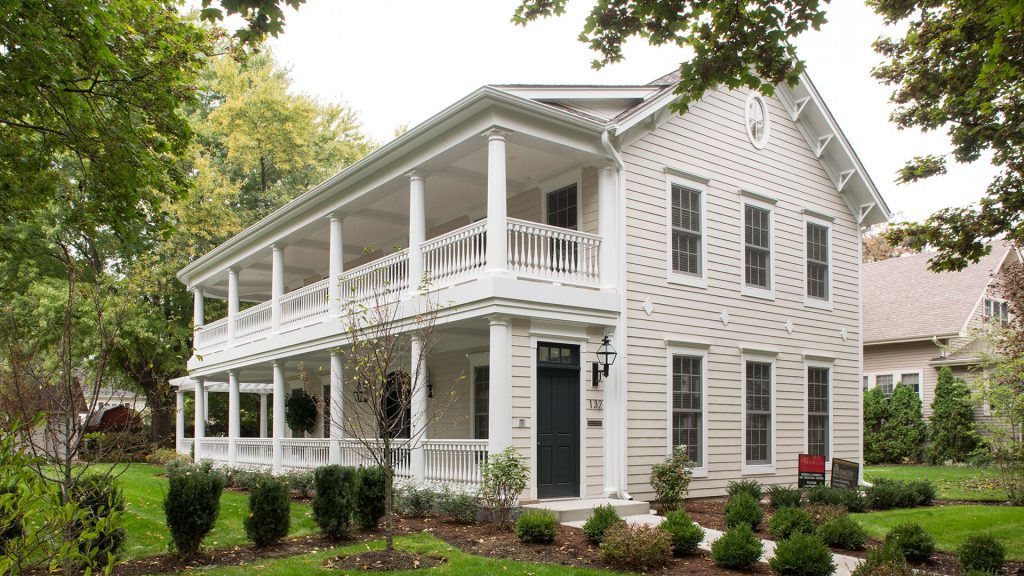
Vinyl siding remains a common siding choice in 2026 due to its affordability and low upkeep, though performance varies by product quality and installation.
Advantages
- Cost-Effective: Generally less expensive than fiber cement, metal, or natural wood
- Low Maintenance: Does not require painting or sealing
- Updated Formulations: Thicker panels and improved UV resistance compared to older products
- Design Range: Wide selection of colors and profiles
- Pest Resistance: Will not rot or attract insects
Limitations
- Temperature Movement: Expansion and contraction in extreme conditions
- Impact Resistance: Can crack from hail or heavy impacts
- Perceived Quality: Often considered a mid-tier option in higher-end markets
- Longevity: Typical service life of 20–30 years, depending on grade and exposure
Fiber Cement Siding
Fiber cement is considered one of the most durable siding materials used in residential construction in 2026. Its combination of strength, stability, and appearance makes it suitable for a wide range of climates.

Advantages
- Longevity: Commonly rated for 30–50+ years
- Fire Resistance: Non-combustible and widely used in wildfire-prone areas
- Moisture Stability: Resists rot, swelling, and insect damage
- Climate Performance: Holds up in heat, cold, humidity, and freeze-thaw conditions
- Aesthetic Options: Available in wood-grain textures and smooth finishes
- Warranty Coverage: Long material and finish warranties
Limitations
- Installation Requirements: Cutting and fastening require trained installers
- Weight: Heavier than vinyl, increasing labor demands
- Higher Initial Cost: Offset over time by durability and lower maintenance
Natural Wood Siding
Wood siding remains an option for homeowners focused on traditional appearance and architectural character.
Advantages
- Natural Appearance: Authentic grain and texture
- Finish Flexibility: Can be stained or painted in nearly any color
- Repair Options: Individual boards can be replaced
- Thermal Properties: Natural insulating value
Limitations
- Maintenance Demands: Requires repainting or staining every 3–7 years
- Moisture and Pest Exposure: Vulnerable without consistent upkeep
- Fire Risk: Combustible unless treated
- Lifetime Cost: Ongoing maintenance increases total ownership expense
Metal Siding (Steel and Aluminum)
Metal siding sees steady use in 2026, particularly for modern designs and homes exposed to severe weather.
Advantages
- Longevity: Often exceeds 40 years
- Fire Resistance: Non-combustible
- Weather Performance: Handles high winds and heavy snow well
- Pest Proof: No organic material
- Recyclability: Steel and aluminum can be reused
- Reflective Finishes: Can help reduce heat gain in hot climates
Limitations
- Higher Initial Cost
- Denting Risk: More common with aluminum
- Noise: Requires proper backing to reduce sound
- Style Availability: Fewer traditional profiles than fiber cement
T1-11 Engineered Wood Siding
T1-11 remains a lower-cost option in 2026, most often used for secondary structures or short-term applications.
Advantages
- Lower Material Cost
- Fast Installation
- Rustic Appearance
- Accepts Paint and Stain
Limitations
- Shorter Lifespan: Often 10–15 years
- High Moisture Sensitivity
- Frequent Maintenance Needs
- Limited Performance in Harsh Climates
2026 Siding Design and Color Trends
Siding design preferences in 2026 favor durability, clean architectural lines, and paint finishes that maintain their appearance over time. Many homeowners select colors and profiles that work well with natural surroundings and avoid styles that may feel dated after only a few years.
Deeper, Earth-Inspired Colors
Charcoal, slate blue, forest green, deep bronze, and warm gray remain popular choices. These shades add depth without overpowering architectural features and tend to show fading and surface wear less than very light or highly saturated colors. They also pair well with stone, brick, wood accents, and modern roofing materials.
Refined Two-Tone Exteriors
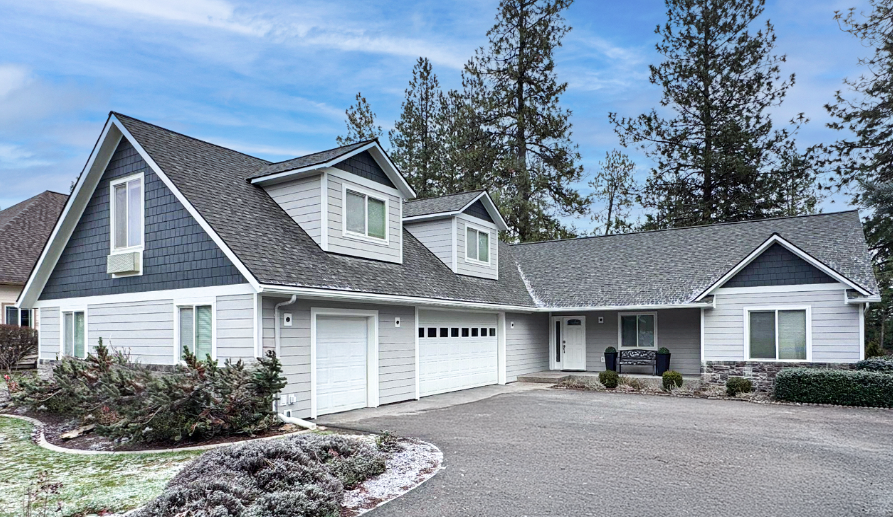
Two-tone designs remain common, though they are used more selectively. Darker shades often appear on gables, upper levels, or accent sections, while lighter or neutral tones cover primary wall areas. This approach adds contrast without overwhelming the exterior.
Modern Neutrals
Beige has shifted toward warmer, more complex neutrals such as clay, sand, mushroom gray, and greige. These tones respond well to changing light conditions and surrounding landscaping, making them a practical long-term choice.
Matte and Low-Sheen Finishes
Matte and low-sheen finishes are widely preferred over glossy surfaces. They reduce glare, photograph more accurately, and conceal dust, water spots, and minor surface variations more effectively.
Vertical Profiles and Board-and-Batten
Vertical siding profiles, including board-and-batten, remain a strong design choice. Vertical lines create a taller visual appearance and work across farmhouse, craftsman, modern, and transitional styles. These profiles are often used as accents alongside horizontal siding and can improve water shedding when installed correctly.
Best Overall Siding Choice for 2026: James Hardie® Fiber Cement
Based on long-term performance history, installer feedback, and climate suitability, James Hardie fiber cement remains a widely used siding option in 2026.
Climate-Specific Engineering
James Hardie’s HardieZone® system uses regional climate data to adjust product formulation, improving resistance to moisture exposure, temperature stress, and seasonal movement.
Design Options
Common profiles include:
- HardiePlank® Lap Siding
- HardieShingle® Siding
- HardiePanel® Vertical Siding
These James Hardie styles suit any kind of home styles.
Factory-Applied Color Performance
ColorPlus® Technology applies finish in controlled factory conditions, resulting in consistent coverage and improved resistance to fading compared to field-applied paint.
Nationwide Performance History
Fiber cement has shown reliable performance in hot, cold, humid, and coastal environments where other siding materials may deteriorate more quickly.
FAQ’s: Siding in 2026
Our most frequently asked questions about siding going into 2026:
What are the colors for siding in 2026?
Siding colors in 2026 are trending toward deeper, earth-inspired tones and updated neutrals. Popular shades include charcoal, slate blue, forest green, deep bronze, and warm gray. Homeowners are also choosing complex neutrals such as clay, soft sand, mushroom gray, and greige. These colors provide depth, complement natural surroundings, and age gracefully over time.
What is the most popular siding color for 2026?
Charcoal gray is currently the most popular siding color in 2026. It offers a modern, sophisticated look while blending well with trim, stone, and brick accents. Darker colors like charcoal also tend to show less dirt and weathering, making them practical for long-term maintenance.
What color is replacing gray in 2026?
While gray remains popular, warmer earth tones such as clay, taupe, and greige are increasingly replacing traditional light or medium grays. These shades provide a softer, more natural appearance and work well with contemporary and traditional architectural styles.
Ready to Upgrade Your Siding in 2026? Get a Quote Today
DaBella brings factory-certified expertise as a James Hardie Elite Preferred contractor, installing fiber cement, vinyl siding, and TandoStone systems with a focus on long-term performance and craftsmanship.
If you are planning a siding upgrade in 2026, a professional evaluation of materials, climate exposure, and installation requirements is the first step toward protecting your home and maximizing its value.
Schedule your complimentary siding estimate today to learn more about the many benefits of our siding materials and the best options for your home.