
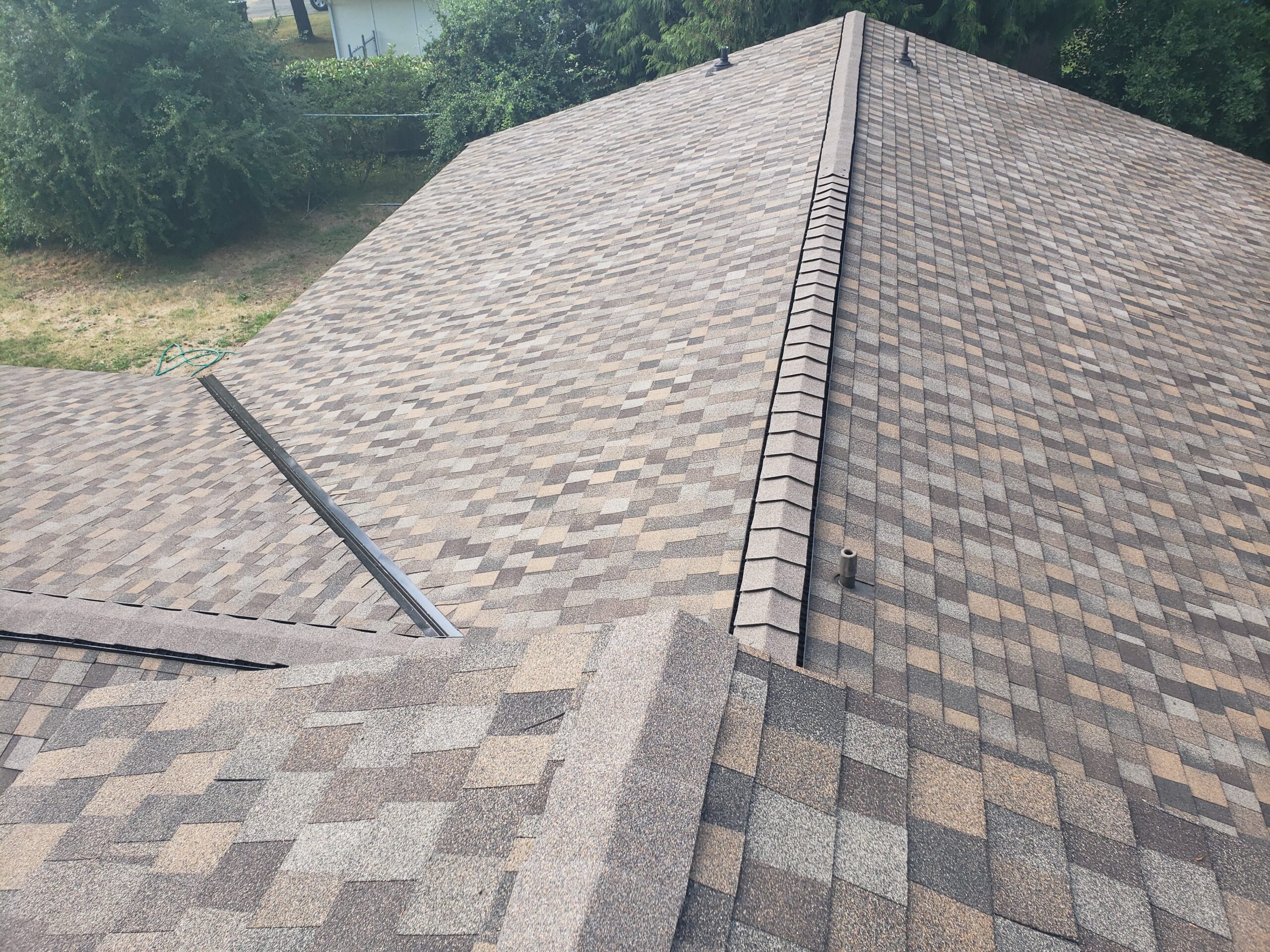
Architectural asphalt shingles have become the go-to roofing choice for millions of American homeowners, and for good reason. They offer an attractive balance of curb appeal, affordability, and reliable performance that works for most residential applications. However, no roofing material is perfect, and architectural shingles come with their own set of limitations and trade-offs. Understanding these disadvantages upfront helps you make an informed decision about whether they are the right choice for your home, your budget, and your long-term goals. Let us take an honest look at where architectural shingles fall short and what you should consider before committing to this popular roofing option.
The Disadvantages of Architectural Asphalt Shingles
Before investing in architectural asphalt shingles for your home, it is important to understand the potential disadvantages that could affect your roof’s performance, longevity, and overall value.
Shorter Lifespan Compared to Premium Materials
While architectural shingles last 25-30 years on average (with premium versions rated up to 50 years), they fall significantly short of more durable roofing materials. Metal roofing systems typically last 40-70 years; natural slate can endure 75-100+ years, and clay or concrete tile roofs often survive 50-100 years. This means homeowners will likely face complete roof replacement at least once, possibly twice, during their time in the home. The shorter lifespan translates to more frequent replacement costs and disruption. Additionally, the actual lifespan often depends heavily on climate, installation quality, and maintenance—many architectural shingle roofs fail before reaching their rated warranty period due to these factors.
Environmental Impact and Sustainability Concerns
Asphalt shingles contribute massively to environmental degradation. Approximately 11 million tons of asphalt roofing waste enters U.S. landfills annually, making it one of the largest construction waste streams. These shingles are petroleum-based products, meaning their manufacturing relies on fossil fuel extraction and refining processes that generate greenhouse gases. While some recycling programs exist, they are limited in scope and availability—most torn-off shingles end up buried. The recycling that does occur typically downcycles material into asphalt pavement rather than new shingles. Beyond waste, dark-colored shingles absorb heat and contribute to urban heat island effects, raising surrounding air temperatures and increasing community-wide cooling demands. .
Vulnerability to Extreme Weather Events
Despite wind resistance ratings of 110-150 mph, architectural shingles remain vulnerable to severe weather damage. Hail can crack, puncture, or dent shingles, compromising their waterproofing and shortening lifespan dramatically—even hail as small as 1-1.25 inches can cause considerable damage. High winds can lift, tear, or completely remove shingles, especially at roof edges, ridges, and valleys where wind forces concentrate. As shingles age and their adhesive seals weaken, wind vulnerability increases. Ice dams—formed when heat escapes through the roof and melts snow that refreezes at eaves—can force water under shingles, causing leaks and interior damage. Prolonged exposure to intense UV radiation, particularly in southern climates, degrades the asphalt binder and accelerates deterioration. Climate change is intensifying these weather extremes, making shingle roofs increasingly susceptible to premature failure.
Temperature Sensitivity and Thermal Cycling
Architectural shingles perform poorly under temperature extremes. In frigid conditions, the asphalt becomes brittle and inflexible, making shingles prone to cracking when subjected to impacts or stress. Walking on a frozen shingle roof can cause immediate damage. Conversely, extreme heat softens the asphalt, potentially causing blistering, warping, or thermal splitting. High temperatures also accelerate the loss of volatile oils in the asphalt, making shingles increasingly rigid over time. The constant expansion and contraction caused by daily and seasonal temperature fluctuations—called thermal cycling—gradually fatigues the material. This repetitive stress creates micro-cracks, breaks adhesive bonds, and causes fasteners to work loose. In regions with dramatic temperature swings, this cycling significantly reduces an effective lifespan, sometimes by years compared to moderate climates.
Algae and Moss Growth
In humid, shaded, or coastal climates, architectural shingles are highly susceptible to algae and moss growth. Dark streaking caused by algae (specifically Gloeocapsa magma) is primarily an aesthetic issue but signals moisture retention. Moss growth is more problematic—its root structures can lift shingle edges, trap moisture against the roof deck, and accelerate rot in underlying materials. Once established, moss can spread rapidly across the entire roof surface. While algae-resistant shingles containing copper or zinc granules are available, they are not entirely foolproof and their effectiveness diminishes over time as protective granules wash away. Treatment requires either professional application of biocides (which must be reapplied periodically) or physical removal, which risks damaging shingles. The recurring nature of this problem adds ongoing maintenance costs and effort. In severe cases, biological growth can void manufacturer warranties if deemed a maintenance issue.
Weight Considerations and Structural Requirements
Architectural shingles weigh substantially more than traditional 3-tab shingles—typically 240-400 pounds per roofing square (100 square feet) compared to 180-240 pounds for 3-tab. This added weight can be problematic for older homes or structures not originally designed for heavier roofing materials. Some buildings may require structural reinforcement of roof framing before architectural shingles can be safely installed, adding significant costs. The weight also complicates installation logistics—bundles are heavier to lift onto roofs and more physically demanding for installers to work with, potentially increasing labor time and costs. In regions prone to earthquakes, the additional mass high on the structure can be a seismic disadvantage. When layering new shingles over existing ones (where building codes permit), the combined weight may exceed structural load limits, making complete tear-off necessary rather than the less expensive overlay method.
Limited Slope Application
Architectural shingles have strict minimum slope requirements that limit their application. Most manufacturers specify a minimum roof pitch of 2:12 (2 inches of vertical rise per 12 inches of horizontal run), though some require 3:12 or 4:12 for warranty coverage. Below these slopes, water does not shed quickly enough, increasing the risk of water infiltration through shingle overlaps and nail holes. This makes architectural shingles unsuitable for low-slope or nearly flat roofs, which require membrane roofing systems instead. The restriction eliminates them as options for certain architectural styles, modern flat-roof designs, and many commercial applications. Additionally, even on acceptable slopes, certain roof features like valleys, dormers, and transitions require special installation techniques and additional underlayment to prevent leaks, adding complexity and cost. Homeowners with complex roof geometries may find installation more expensive or problematic than with other roofing materials.
Granule Loss Over Time
The protective ceramic granules embedded in shingle surfaces gradually erode and wash away throughout the roof’s life. This granule loss is normal; initial excess loose granules from manufacturing wash off during the first few rainstorms. However, accelerated, or excessive granule loss is a serious concern. Granules protect the underlying asphalt from UV radiation, provide fire resistance, and contribute to the shingle’s color. Once significant granule loss occurs, the exposed asphalt deteriorates rapidly from sun exposure, becoming brittle and prone to cracking. You will notice granules accumulating in gutters, downspouts, and at the base of downspout discharge areas. Severe granule loss often appears as dark or discolored patches on the roof where the black asphalt base shows through. Factors that accelerate granule loss include poor manufacturing quality, severe weather (especially hail), foot traffic on the roof, and age. Once granule loss becomes visible from the ground, the shingles are typically near the end of their useful life.
Repair Visibility and Color Matching Challenges
Replacing damaged architectural shingles often creates noticeable cosmetic issues. Shingles weather and fade over time due to UV exposure, algae growth, and atmospheric pollutants. When you replace a few damaged shingles with new ones, the color difference is usually obvious—new shingles appear brighter and more vibrant compared to aged surrounding shingles. This mismatch is particularly noticeable on prominent roof sections visible from the street. Manufacturing lot variations compound the problem—even shingles from the same product line may vary slightly in color between production batches. Some manufacturers discontinue color options, making exact replacements impossible years later. The multi-toned, dimensional appearance of architectural shingles, while attractive when new, makes repairs more conspicuous than on solid-colored materials. Homeowners concerned about aesthetics may feel compelled to replace entire roof sections rather than just damaged areas, significantly increasing repair costs. This creates a difficult choice between visible patches or expensive repairs.
Energy Efficiency Limitations
Standard architectural shingles have poor thermal performance characteristics. Dark and medium-toned shingles absorb significant solar radiation, with surface temperatures reaching 150-170°F on hot summer days. This heat transfers through the roof deck into attic spaces, dramatically increasing attic temperatures—often to 130-150°F or higher. The superheated attic radiates heat into living spaces below, forcing air conditioning systems to work harder and longer, increasing cooling costs. Studies show traditional dark shingle roofs can increase cooling energy consumption by 15-20% compared to reflective alternatives. While “cool roof” architectural shingles with reflective granules are available, they typically cost more than standard options and are not the default choice contractors stock or recommend. Additionally, the energy efficiency benefits diminish over time as the shingles accumulate dirt and lose reflective granules. In heating-dominated climates, the lack of insulating value means architectural shingles also contribute minimally to winter energy efficiency. Metal, tile, and other roofing systems with air gaps or better reflectivity offer superior thermal performance.
Maintenance Requirements and Costs
Despite being marketed as “low maintenance,” architectural shingles require regular attention to achieve their rated lifespan. Periodic inspections—ideally twice yearly and after major storms—are necessary to identify and address problems like loose or damaged shingles, exposed nails, deteriorating flashing, and clogged gutters. Debris accumulation from trees (leaves, pine needles, branches) must be removed regularly, as trapped organic matter retains moisture and accelerates deterioration. In areas prone to algae or moss, periodic cleaning or treatment with biocides is necessary to maintain appearance and prevent damage. Overhanging tree branches should be trimmed to reduce debris and shade that promotes biological growth. Adequate attic ventilation must be maintained—inadequate ventilation causes excessive heat buildup that prematurely ages shingles from underneath, yet this is often overlooked. Failing to perform this maintenance can void manufacturer warranties, which typically include clauses requiring proper installation and ongoing care. These maintenance tasks either require homeowner time and effort or professional services that add ongoing costs throughout the roof’s life.
How GAF HDZ Architectural Asphalt Shingles Stack Up Against Common Criticisms
Shorter Lifespan Compared to Premium Materials
Sure, HDZ shingles will not last 100 years like slate, but GAF has made real improvements that push these shingles toward the upper end of what asphalt can do. The LayerLock technology creates a stronger bond between layers, and the StrikeZone nailing area is 99% larger than standard shingles. That massive nailing zone means installers are far less likely to mess up the installation, and installation errors are one of the biggest reasons shingles fail early.
GAF backs these with a limited lifetime warranty that includes 10 years of Smart Choice Protection. During those first 10 years, both materials and labor are covered without prorating, which is when most defects show up anyway. You are looking at a realistic 30-40 year lifespan with proper installation, sometimes pushing 50 years in ideal conditions.
Environmental Impact and Sustainability Concerns
Asphalt shingles are not winning any environmental awards. But GAF has made moves to reduce the impact. They run shingle recycling programs that keep old roofing material out of landfills by turning it into paving material. Their manufacturing facilities have cut down on greenhouse gas emissions and water usage through process improvements.
GAF also incorporates recycled content into their shingles and offers cool roof options in the HDZ line with reflective granules. These reflective shingles reduce heat absorption, which lowers cooling costs and helps with urban heat island effects. The company has committed to sustainability certifications and publishes their environmental data. It is not perfect, but it is better than the industry standard.
Vulnerability to Extreme Weather Events
HDZ shingles come with wind resistance ratings up to 130 mph, and that is thanks to the Dura Grip adhesive and LayerLock technology working together. The wider StrikeZone nailing area is key here too. When installers have more room to place nails correctly, you get better uplift resistance during high winds.
The Advanced Protection shingle technology includes features that help these shingles handle extreme weather better than standard architectural shingles. The laminated construction adds strength against wind uplift. No asphalt shingle is bulletproof in a severe storm, but GAF has engineered HDZ to address the most common failure points that happen when the weather turns bad.
Temperature Sensitivity and Thermal Cycling
GAF formulated the asphalt in HDZ shingles to stay flexible across a wider temperature range than you would get with standard shingles. The multi-layer construction helps distribute thermal stress more evenly, so you do not get concentrated expansion and contraction in one spot that leads to cracking.
The adhesive system is designed to maintain its bond strength through temperature swings. GAF tests these shingles in climate chambers that simulate everything from arctic cold to desert heat. They have added UV-blocking compounds to slow down the aging that happens from constant sun exposure. Thermal cycling will always affect asphalt shingles to some degree, but HDZ handles it better than conventional products.
Algae and Moss Growth
Every HDZ shingle comes standard with StainGuard Plus algae protection, and it is not your typical algae-resistant technology. The copper-containing granules release copper ions gradually over time rather than all at once. That time-release approach means the protection lasts throughout the warranty period instead of wearing out in a few years.
GAF is confident enough in this technology to offer a 25-year limited warranty against blue-green algae discoloration. The copper is distributed throughout the granule layer, not just sitting on the surface, so as the shingles weather naturally, fresh copper keeps getting exposed. It will not stop algae growth in every extreme situation. Heavily shaded roofs in humid climates can still have issues, but StainGuard Plus is the most advanced algae prevention available in asphalt shingles, and GAF includes it as standard rather than charging extra.
Weight Considerations and Structural Requirements
HDZ shingles are heavier than 3-tab shingles, but they fall within the normal weight range for architectural shingles that most homes are built to handle. GAF provides detailed specs and installation guidelines that help contractors figure out if a structure can support them. For most homes built to modern codes, you will not need any structural reinforcement.
The weight brings some benefits: better wind resistance and a more substantial, premium look. The StrikeZone technology makes installation easier despite the weight, which can actually reduce installation time. GAF offers different weight options within the HDZ line too, so contractors can choose the right product for specific situations. If you have an older home or unusual circumstances, GAF’s technical support can help assess what is needed.
Limited Slope Application
HDZ shingles work on roof slopes down to 2:12 when you use the right underlayment, which covers the vast majority of residential roofs. GAF makes specialized underlayment and ice-and-water barriers that work with HDZ shingles to provide waterproof protection on lower-pitched roofs.
They provide specific installation instructions for different slope conditions, so you know exactly how to install them properly. For the rare slopes below 2:12, GAF has membrane and modified bitumen products in their lineup. You can still stay with a complete GAF system. The slope limitation is standard across all asphalt shingles, not unique to HDZ. It rarely creates problems since most residential construction uses pitched roofs.
Granule Loss Over Time
GAF uses Advanced Protection Shingle technology in HDZ products with enhanced granule adhesion that keeps granules in place better than standard shingles. Their proprietary adhesive systems bond granules more securely to the asphalt coating, so they resist weathering and wear.
The manufacturing process applies granules with precision control for consistent coverage and maximum adhesion. The StainGuard Plus copper granules are engineered to stay put throughout the warranty period, maintaining both algae protection and UV shielding. GAF runs accelerated weathering tests that simulate decades of exposure to validate how well granules stay attached.
Some granule loss is inevitable with any asphalt shingle. You will see loose granules in your gutters after the first few rains, and that is normal. But HDZ products minimize excessive loss that causes problems. The limited lifetime warranty covers manufacturing defects that might cause unusual granule loss.
Repair Visibility and Color Matching Challenges
GAF uses computerized color matching and quality control to keep colors consistent across production runs. They keep popular colors in continuous production for decades, which helps with long-term repair availability. Since GAF is the market leader, most roofing suppliers stock HDZ shingles, improving your chances of finding close color matches.
The high-definition appearance of HDZ shingles actually helps here. The dimensional shadowing and intentional color blending in the shingle design makes small color variations less obvious than they would be on solid-colored products. GAF offers ColorMatch technology that helps contractors identify the closest available match if a color has been discontinued.
For bigger repairs, GAF-certified contractors can often track down shingles from the same manufacturing date code to minimize differences. The company also provides guidance on strategic repair placement and blending techniques that reduce the visual impact when you need replacements.
Energy Efficiency Limitations
GAF offers HDZ shingles in their Cool Series lineup with specially engineered reflective granules that meet ENERGY STAR requirements. These products can reflect up to 40% more solar energy than standard shingles, which significantly drops attic temperatures and cooling costs.
The Cool Series comes in a wide range of colors, including darker tones that traditionally absorbed a lot of heat. GAF’s reflective technology lets you pick the color you actually want while still getting energy efficiency. They provide specific data on thermal performance and potential energy savings based on different climates and home types.
When you install HDZ as part of GAF’s complete roofing system with proper ventilation products, you can get overall building energy efficiency that competes with other roofing materials. Many GAF shingles qualify for energy efficiency tax credits and rebates in various areas, giving you immediate financial benefits.
Maintenance Requirements and Costs
HDZ shingles are genuinely low maintenance compared to other roofing options. The StainGuard Plus algae resistance eliminates the need for those periodic chemical treatments that standard shingles require in humid climates. The LayerLock technology and enhanced adhesive systems reduce the chances of loose or blown-off shingles that need repair.
The wider StrikeZone cuts down on installation errors that often create maintenance headaches later. GAF provides comprehensive installation guidelines and runs certification programs for contractors, which means professional installation that minimizes future problems.
The Smart Choice Protection included with HDZ warranties covers both materials and labor for the first 10 years, eliminating out-of-pocket maintenance costs during that period. GAF has an extensive dealer network and certified contractor base, so repair services are easy to find when you need them.
You should still do basic roof care: clean gutters, remove debris, do periodic inspections. But HDZ shingles need less intervention than standard architectural shingles and weigh less than materials like wood shake or tile that demand regular sealing, treatment, or replacement of individual pieces.
Get Your Free Roof Replacement Quote Today
Thinking about architectural shingles for your home? Working with the right contractor makes all the difference. DaBella specializes in installing GAF Timberline HDZ architectural shingles that deliver superior wind resistance, advanced LayerLock technology, and built-in algae protection. Our trained crews follow strict installation standards to ensure your new roof provides lasting protection and looks great doing it.
As a GAF Master Elite Contractor, DaBella has earned a distinction held by fewer than 2% of roofing contractors nationwide. That means you get expert installation, comprehensive manufacturer warranties, and workmanship you can count on.
Want to see what is possible for your home? Contact us today at 844-DaBella for a free, no-obligation quote and complete roof evaluation. We will help you choose the right materials for your climate, walk you through the costs, and install your architectural shingle roof to the highest standards.