
Choosing the right shingles for your roof is one of the most important decisions you will make as a homeowner. Your roof protects everything beneath it, and the shingles you choose determine how long that protection lasts, how much you will spend on maintenance, and how your home looks from the street. Two options dominate the market: traditional 3-tab shingles and the newer architectural shingles. Each has distinct advantages and drawbacks, and understanding the differences helps you make the right choice for your home and budget.
Architectural Asphalt Shingles
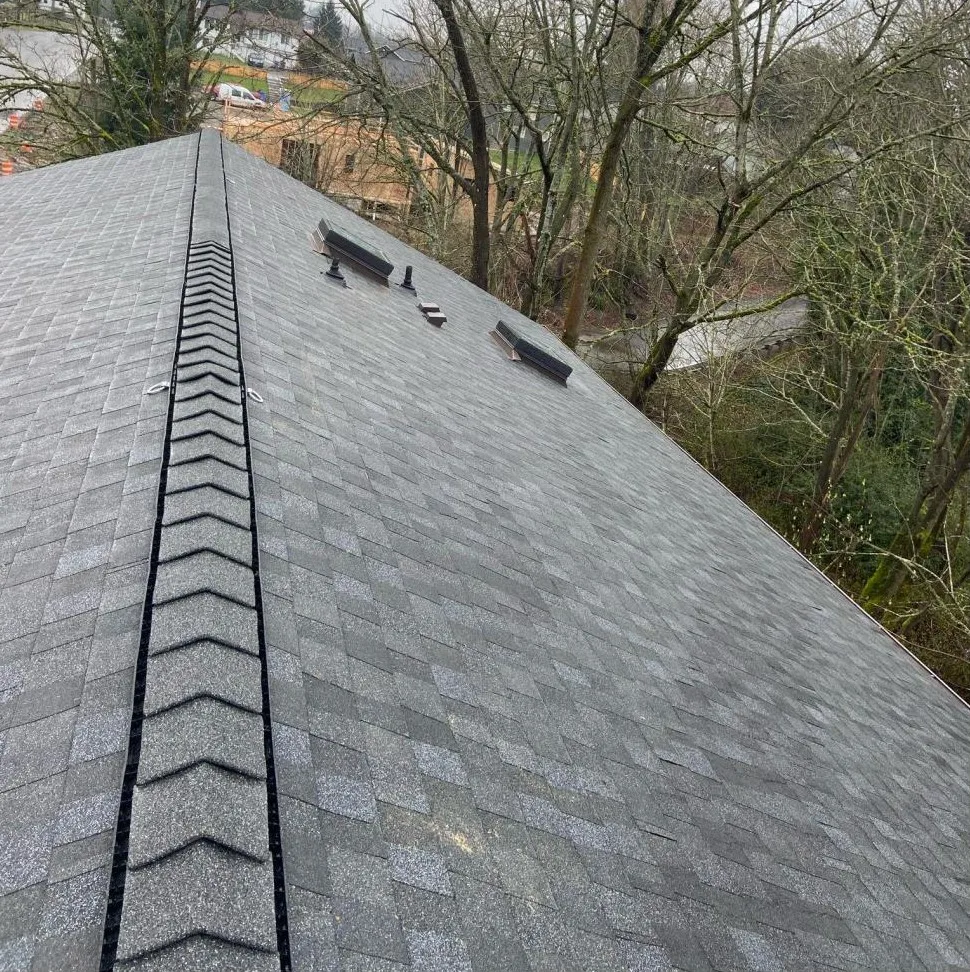
Architectural shingles, also known as dimensional or laminated shingles, represent a significant upgrade in roofing technology. Unlike 3-tab shingles, architectural shingles consist of multiple layers of asphalt bonded together, creating a thicker, heavier product. This multi-layer construction gives them a textured, three-dimensional appearance that mimics the look of traditional wood shakes or slate tiles.
The composition includes a heavier fiberglass base mat, multiple layers of asphalt, and a dense coating of mineral granules. Many architectural shingles also feature enhanced adhesives and reinforced designs that improve their resistance to wind and weather. The result is a shingle that is approximately 50% heavier than standard 3-tab options, with noticeably better performance characteristics.
Lifespan and Durability of Architectural Shingles
Architectural shingles deliver significantly better longevity, typically lasting 20 to 30 years under normal conditions. Premium architectural shingles can exceed 30 years, with some products carrying 50-year warranties. Under optimal conditions with proper maintenance, high-quality architectural shingles can last 30 to 40 years or more.
The multi-layer construction provides better protection against the elements. Thicker asphalt layers resist UV degradation more effectively, and the reinforced design holds up better against temperature fluctuations. The heavier weight also means architectural shingles stay put better during storms and high winds, reducing the likelihood of premature failure.
Wind Resistance and Weather Performance of Architectural Shingles
Architectural shingles perform dramatically better in wind, with most products rated for 110 to 130 mph when professionally installed. Premium products and those with enhanced designs can achieve ratings up to 150 mph. Some manufacturers, like GAF with their Timberline HDZ shingles, offer unlimited wind speed warranties for the first 15 years when installed as part of a complete roofing system.
The superior wind performance comes from multiple factors. Greater weight makes architectural shingles harder for wind to lift. Enhanced adhesive strips create stronger bonds between shingle layers. Many architectural shingles feature reinforced nailing zones that better resist pull-through during extreme wind events. The dimensional design also helps deflect wind more effectively than the flat profile of 3-tab shingles.
Beyond wind resistance, architectural shingles handle other weather challenges better. Their thicker construction provides better protection against hail damage, with many products earning Class 3 or Class 4 impact resistance ratings. This enhanced durability can qualify homeowners for insurance discounts in hail-prone areas.
In areas with heavy snow and ice, architectural shingles’ superior bond strength prevents problems like ice dam damage and snow load stress. Their enhanced granule adhesion means they shed granules more slowly, maintaining protective coverage longer. The multi-layer construction also provides better waterproofing, with less chance of water penetration during driving rain or severe storms.
Cost and Value of Architectural Shingles
Architectural shingles cost more upfront than 3-tab options. The price difference typically amounts to a significant percentage more for materials and installation, representing a notable investment for most homeowners. However, the calculation changes when you factor in longevity and performance.
The higher cost reflects more complex manufacturing, heavier weight materials, and longer installation time. While this represents a substantial upfront investment compared to 3-tab shingles, many homeowners find the added durability, better weather resistance, and enhanced appearance justify the additional expense.
The true cost comparison requires looking beyond initial installation. While architectural shingles cost more upfront, their longer lifespan means you will need replacement later. When you calculate the cost per year of service, architectural shingles often prove more economical than 3-tab options.
Beyond the longer lifespan, architectural shingles reduce other costs. Their superior wind and weather resistance means fewer repairs over the roof’s life. Better hail resistance may qualify you for homeowner’s insurance discounts, potentially saving hundreds of dollars annually. The reduced likelihood of storm damage means fewer insurance claims and less hassle.
When you eventually sell your home, architectural shingles provide a better return on investment. The enhanced curb appeal and longer remaining lifespan make your home more attractive to buyers. Real estate professionals note that architectural shingle roofs boost home value compared to basic 3-tab roofs.
Design and Appearance of Architectural Shingles
Architectural shingles provide extensive color and style options. Manufacturers offer dozens of colors, from classic neutrals to bold blues, greens, and reds. The dimensional design creates shadow lines and texture that enhance the roof’s visual appeal, making homes look more upscale and finished.
Many architectural shingles are designed to mimic premium materials like natural wood shakes, slate tiles, or cedar. This allows homeowners to achieve high-end aesthetics at a fraction of the cost of actual slate or wood. The varied textures and patterns complement different architectural styles, from traditional to contemporary.
Premium architectural lines offer specialty features like enhanced color blends, deeper shadow lines, and unique profiles. Some products include reflective granules that reduce heat absorption, lowering cooling costs. Others feature algae-resistant coatings that prevent the dark streaking common on roofs in humid climates.
A roof makes up 40% of your home’s visible exterior, making it a major factor in curb appeal. Architectural shingles significantly boost a home’s appearance compared to flat 3-tab shingles. The dimensional look creates visual interest and makes homes appear more substantial and well-maintained.
Installation and Maintenance of Architectural Shingles
Architectural shingles take more time and skill to install properly. The individual pieces require more precise placement to achieve the dimensional look and proper overlap. The heavier weight demands more physical effort and may require additional support on some roof structures.
Each architectural shingle typically requires four to six nails, positioned in reinforced nailing zones specified by the manufacturer. Proper nail placement is critical for achieving rated wind resistance and maintaining warranty coverage. The installation process also requires careful attention to starter strips, ridge caps, and trim pieces to ensure a professional appearance.
Installation time runs longer than 3-tab shingles, typically adding half a day to a full day for an average roof. This contributes to higher labor costs, but the extra time ensures proper installation that maximizes the shingles’ performance and lifespan.
Architectural shingles require less frequent attention due to their superior durability. Annual inspections should check for damaged, missing, or lifted shingles; granule loss in gutters or on the ground; signs of algae or moss growth; and proper flashing around chimneys, vents, and skylights.
Architectural shingles’ better wind resistance and durability mean they typically suffer less frequent damage. Their enhanced granule adhesion means less granule loss, and their thicker construction resists cracking and curling better. However, when damage does occur, repairs can cost more due to the higher material cost and the challenge of matching discontinued colors or styles.
Both shingle types benefit from keeping trees trimmed away from the roof, maintaining clean gutters, ensuring proper attic ventilation, and promptly addressing any moss or algae growth. These maintenance tasks help any roof reach its maximum lifespan.
Factors That Influence Shingle Durability
Both shingle types face similar durability challenges, but architectural shingles handle them better. Climate plays the biggest role—constant sun exposure, heavy precipitation, extreme temperatures, and severe storms all shorten shingle life. Installation quality matters tremendously; poor installation can cut years off even premium shingles.
Regular maintenance extends the life of any roof. Annual inspections catch small problems before they become major failures. Keeping gutters clean prevents water backup that can deteriorate shingles. Proper attic ventilation reduces heat buildup, which can bake shingles from below and accelerate aging. Trees overhanging the roof should be trimmed to prevent debris, accumulation, and physical damage.
3-Tab Asphalt Shingles
3-tab shingles, also called strip shingles, have been the backbone of residential roofing for decades. Each shingle consists of a single layer of asphalt-coated fiberglass or organic felt, with three evenly spaced cutouts or “tabs” along the bottom edge. These tabs create the appearance of three separate shingles when installed, giving roofs a uniform, flat look.
The construction is straightforward: a base mat (typically fiberglass) gets coated with asphalt, then covered with mineral granules that protect against UV rays and weather. This simple, single-layer design keeps 3-tab shingles lightweight and affordable, but it also makes them less durable than their multi-layered counterparts.
Lifespan and Durability of 3-Tab Shingles
3-tab shingles typically last 15 to 25 years under normal conditions. In harsh climates with severe weather, temperature extremes, or constant sun exposure, that lifespan can drop to 15-20 years or even less. Some premium 3-tab products come with warranties up to 30 years, but the actual lifespan rarely matches the warranty period due to real-world conditions.
Several factors accelerate 3-tab shingle deterioration. Their single-layer construction makes them more vulnerable to granule loss, which exposes the asphalt beneath to UV damage. They are also more prone to curling, cracking, and lifting in extreme temperatures or high winds. In areas with harsh winters, freeze-thaw cycles can cause moisture to expand within small cracks, widening them, and weakening the shingles over time.
Wind Resistance and Weather Performance of 3-Tab Shingles
Most standard 3-tab shingles carry wind resistance ratings of only 60 to 70 mph when installed with the basic four-nail pattern. This relatively low rating makes them vulnerable in areas that experience strong storms, hurricanes, or tornadoes. Some premium 3-tab products, like CertainTeed XT 30 IR, can achieve ratings up to 70 mph, but these are exceptions rather than the norm.
The flat, single-layer design works against 3-tab shingles in high winds. Wind creates uplift pressure, especially at roof edges and corners, and the lighter weight of 3-tab shingles makes them easier to lift and tear. Once one shingle lifts or blows off, neighboring shingles become more vulnerable, potentially creating a cascading failure during severe weather.
3-tab shingles are also more susceptible to other forms of weather damage. Their lighter weight and thinner construction make them prone to cracking in temperature extremes, granule loss in harsh sun, and physical damage from hail or debris. In severe weather conditions, 3-tab roofs may fail in as little as 7 to 10 years, far short of their rated lifespan.
Cost and Value of 3-Tab Shingles
3-tab shingles remain the most budget-friendly roofing option. Material and installation costs run significantly lower than architectural shingles, making them attractive for homeowners on tight budgets, rental properties, or situations where the roof only needs to last 10-15 years.
The lower cost comes from simpler manufacturing and lighter weight, which reduces shipping expenses. Installation also costs less because 3-tab shingles come in pre-cut strips that install quickly and easily. While the upfront savings are real, the calculation changes when you consider how long different shingle types last and how well they perform.
Design and Appearance of 3-Tab Shingles
3-tab shingles offer limited color and style options, and that selection is shrinking. As manufacturers phase out 3-tab production, available colors have become increasingly restricted. Most suppliers now stock only basic neutrals: blacks, grays, browns, and tans. The flat, uniform appearance creates a simple, traditional look but lacks visual depth.
Finding matching shingles for repairs has become increasingly difficult as manufacturers discontinue specific product lines and colors. If you need to replace damaged sections of a 3-tab roof, you may struggle to find exact color matches, potentially requiring a full roof replacement for aesthetic consistency.
Installation and Maintenance of 3-Tab Shingles
3-tab shingles install quickly and simply, making them popular with contractors and DIYers alike. The pre-cut strips align easily, creating uniform rows with minimal cutting or fitting. Each strip typically requires four nails in standard installations, though six-nail patterns are recommended in high-wind areas.
The straightforward installation reduces labor costs and installation time. Under favorable conditions, professional crews can complete an average residential roof in one to two days. The lighter weight also makes 3-tab shingles easier to carry and position, reducing physical strain on installers.
However, proper installation still requires skill and attention to detail. Shingles must align correctly; nails must be properly positioned and driven, and adhesive strips must seal properly. Poor installation—even with simple 3-tab shingles—can lead to premature failure, leaks, and wind damage.
3-tab shingles need vigilant monitoring because problems develop faster. Their thinner construction and weaker adhesive bonds mean damage from storms or debris can quickly escalate. Catching issues early and making repairs promptly helps maximize lifespan. Annual inspections should check for damaged, missing, or lifted shingles; granule loss in gutters or on the ground; signs of algae or moss growth; and proper flashing around chimneys, vents, and skylights.
What is the Best Option for Your Home? Architectural or 3-tab Shingles
reduce this to 3 paragraphs
11:51 AM
For most homeowners, architectural shingles represent the better long-term investment. While 3-tab shingles cost less upfront, architectural shingles deliver superior performance that pays off over time. They last significantly longer—typically 20 to 30 years compared to 15 to 25 years for 3-tab shingles—meaning fewer roof replacements over the time you own your home. When you calculate the cost per year of service, architectural shingles often prove more economical despite their higher initial price.
The superior wind resistance of architectural shingles (110-130 mph versus 60-70 mph for 3-tab) provides crucial protection during storms. Their multi-layer construction also offers better hail resistance, with many products earning Class 3 or Class 4 impact ratings that may qualify you for insurance discounts. In severe weather conditions, 3-tab roofs can fail in as little as 7 to 10 years, while architectural shingles maintain their protective barrier far longer. Beyond performance, architectural shingles dramatically improve your home’s appearance with dimensional design that creates depth and texture flat 3-tab shingles cannot match.
The industry itself has spoken: major manufacturers are phasing out 3-tab production, making color selection increasingly limited and replacement shingles harder to find. This trend reflects the market’s clear preference for architectural shingles’ superior quality and performance. While 3-tab shingles may still make sense for short-term rental properties or temporary solutions, architectural shingles are the smart choice for homeowners planning to stay in their homes or maximize resale value.
FAQ’s: 3-Tab Shingles and Architectural Shingles
Here are some of the most frequent questions we get from homeowners when choosing between 3-tab and architectural shingles:
How do I tell if I have 3-tab or architectural shingles?
Look at your roof from the ground or street. 3-tab shingles appear flat and uniform, with each row showing three evenly spaced rectangular tabs that create a repetitive pattern. Architectural shingles have a dimensional, textured appearance with varied shapes and shadow lines that create depth. If you can see the roof up close, 3-tab shingles feel thin and flexible, while architectural shingles are noticeably thicker and heavier.
Do roofers still use 3-tab shingles?
3-tab shingles are being phased out across the industry, though they have not disappeared completely. Many major manufacturers have discontinued or significantly reduced 3-tab production. Some manufacturers have stopped shipping certain 3-tab products to specific states due to regulatory requirements. While some roofers still install 3-tab shingles for budget-conscious projects, architectural shingles have become the industry standard for new construction and replacements. Finding specific 3-tab colors and styles has become increasingly difficult, and the selection continues to shrink.
Do 3-tab shingles increase home value?
3-tab shingles typically do not increase home value and may detract from it in markets where architectural shingles are the norm. While any new roof adds value compared to an old, failing roof, 3-tab shingles provide minimal aesthetic appeal and the shortest lifespan. Architectural shingles add more value due to their superior appearance, longer lifespan, and better performance. Real estate professionals note that architectural shingles boost home value compared to 3-tab alternatives, with better curb appeal helping homes sell faster.
What are the cons of 3-tab shingles?
3-tab shingles have several significant drawbacks. They offer the shortest lifespan of common roofing materials (15-25 years), with the lowest wind resistance (typically 60-70 mph). Their flat appearance provides minimal curb appeal, and color options are increasingly limited as manufacturers phase them out. They are more vulnerable to weather damage, granule loss, and physical impacts than architectural shingles. Finding matching shingles for repairs has become difficult, often requiring full replacement for damaged sections. While cheaper upfront, their shorter lifespan and higher maintenance needs can make them more expensive over time.
Ready to Replace Your Roof? Get Your Free Estimate Today
Your home deserves a roof that delivers long-term protection, not short-term fixes. Whether your current shingles are aging, damaged, or simply not performing as they should, professional installation makes all the difference between a roof that lasts and one that fails prematurely.
We install complete roofing systems designed for your local climate, using proven techniques that prevent rot, mold, and structural damage. Our team provides access to premium materials including GAF Timberline HDZ architectural asphalt shingles, all installed with precision and backed by strong manufacturer and workmanship warranties. As a GAF Master Elite roofer—a status held by only 3% of roofing contractors nationwide—we have demonstrated our commitment to quality, professionalism, and customer satisfaction.
Do not wait until minor roofing issues turn into expensive structural repairs. Contact us today to schedule your free estimate. We will walk you through your options, answer your questions, and help you make an informed decision about protecting your home.
Contact us today at 844-DaBella or visit our website to get started.