
Will Insurance Cover Defective Shingles?
When your roof starts failing ahead of schedule, you probably have one main question: will home insurance cover defective shingles? The answer depends on the cause of the failure, your specific policy language, and the evidence you provide. Insurers draw a strict line between covered losses and excluded defects. Understanding this difference can help you secure a paid claim instead of facing significant out-of-pocket expenses.
See why homeowners trust DaBella with their roof replacement
Does Home Insurance Cover Defective Shingles?
Homeowners insurance is designed to cover sudden, accidental events. The most common policy, the HO-3 special form, covers your roof structure on an “open perils” basis. This means it pays for damages unless the policy explicitly excludes the cause. Unfortunately, standard policies usually exclude wear and tear, deterioration, and “latent defects.” Manufacturing flaws typically fall into this excluded category.
Named perils policies (like HO-1 and HO-2 forms) offer even narrower protection. They only cover specific events listed in your policy documents. If your shingles fail due to a defect without any connection to a listed peril, the insurer will likely deny the claim.
However, there is an important exception. If a covered event causes severe wind damage to your roof or hail strikes a roof that also has defective shingles, the insurer still owes you for the storm damage. Disputes often arise when adjusters argue the deterioration existed before the storm or blame the damage entirely on the defective product.
Signs of Defective Shingles vs. Storm Damage
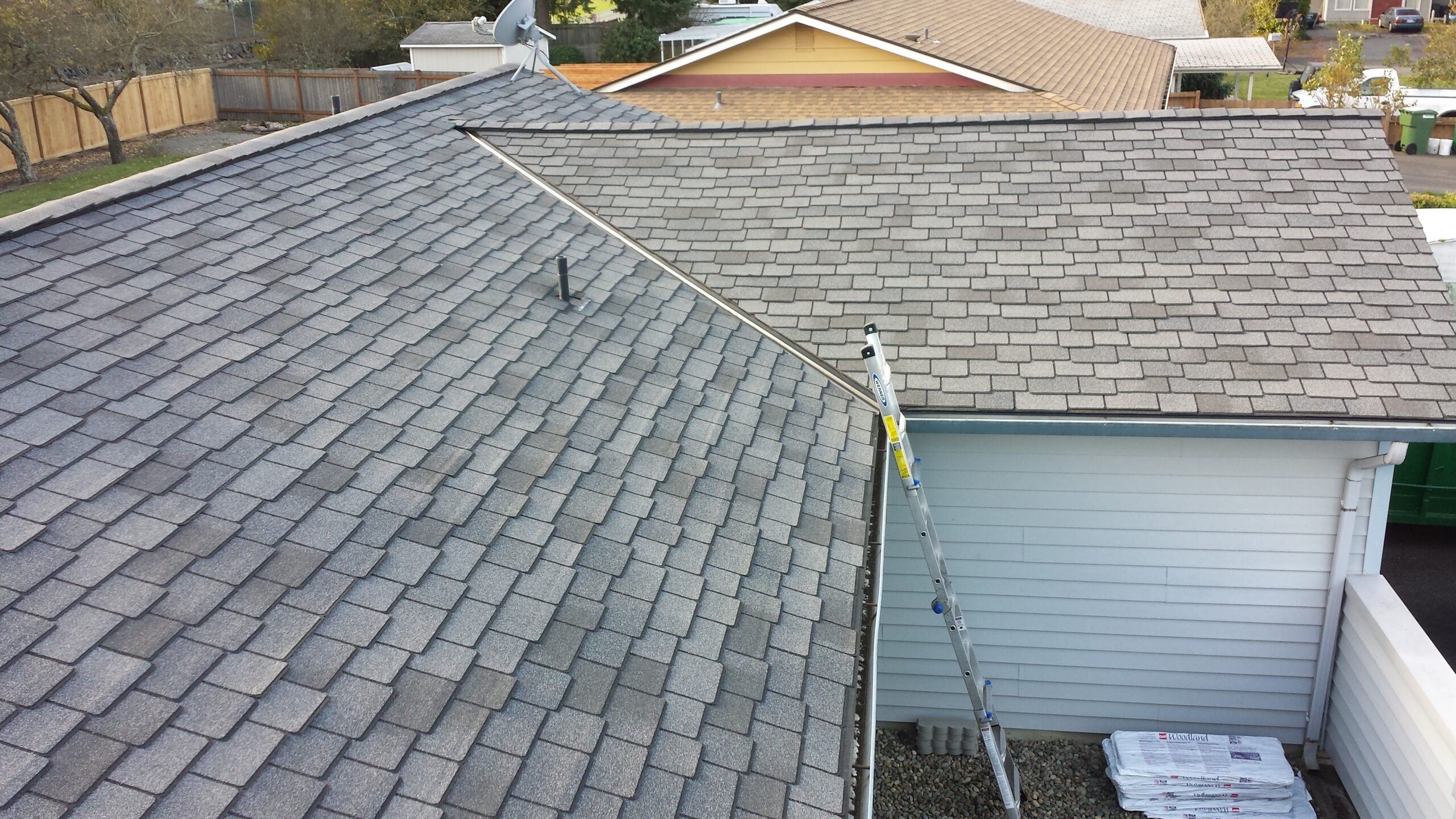
Insurance adjusters look closely at the pattern and distribution of roof damage to determine the cause. Storm damage is typically directional, hitting the slopes facing the weather event. In contrast, defect-related deterioration is usually consistent across all slopes.
Here are common signs of manufacturing defects that adjusters look for:
- Premature Granule Loss: Unlike normal aging, defective shingles may lose granules in specific, concentrated areas. This often indicates a bonding failure caused by poor-quality asphalt or temperature issues during manufacturing.
- Uniform Blistering: Blisters that appear evenly across all roof slopes, especially on a newer roof, point to a product issue. If you are researching what to do about roof hail damage, you’ll note that hail leaves distinct impact marks, whereas blister pops do not cause collateral damage to gutters or siding.
- Craze Cracking: This fine network of surface fractures happens when volatile compounds escape the asphalt layer, causing the surface to shrink faster than the core. While some insurers debate this, it can indicate a defect or low-quality materials.
How to File a Claim for Defective Shingles
If you suspect a manufacturing defect, document everything before calling your insurance company. Take timestamped photos of the visible damage from multiple angles, including wide shots and close-ups. If any part of the roof is exposed, cover it with a tarp immediately. Failing to prevent further water damage can give your insurer grounds to reduce or deny your claim.
After you file, an insurance adjuster will inspect your property to determine if your policy covers the damage. Potential outcomes include:
- Full Replacement: The insurer approves a complete roof replacement.
- Partial Payment: The insurer covers only the specific areas damaged by a covered peril (like a recent storm).
- Claim Denial: The insurer denies the claim, citing the latent defect or wear and tear exclusion.
If you disagree with the adjuster’s findings, keep damaged shingle samples as physical evidence. Always request a written explanation for any denial or payout reduction before you decide to dispute the outcome.
What to Do If Your Insurance Claim is Denied
A denied insurance claim isn’t the end of the road. You still have several options to address a failing roof:
- File a Manufacturer’s Warranty Claim: Most asphalt shingle manufacturers offer limited lifetime warranties for production defects. During the initial non-prorated period (often 10 years), they cover 100% of the defective material cost. You will need your proof of purchase, warranty certificate, and installation date documentation.
- Check Your Workmanship Warranty: If the shingles failed due to poor installation rather than a product defect, your roofing contractor’s workmanship warranty might cover the repair costs.
- Hire a Public Adjuster: A licensed public adjuster represents you, not the insurance company. They conduct independent assessments and negotiate on your behalf. This is especially helpful if your roof has a mix of storm damage and defective materials.
- Explore Financing Options: If you must pay out of pocket, consider a home equity loan, HELOC, or personal home improvement loan. Prioritize fixing active leaks first to prevent costly interior water damage.
Get the most comprehensive warranty with GAF when you choose DaBella
Upgrade Your Roof with DaBella
If your shingles show signs of premature failure, scheduling a professional assessment is the most important step to take before filing a claim or warranty complaint. DaBella is a GAF Master Elite certified roofing contractor, a distinction earned by fewer than 3 percent of roofers in the United States. We install high-quality GAF HDZ architectural asphalt shingles backed by industry-leading warranty coverage. Contact DaBella today at 844-DaBella to schedule your inspection.