
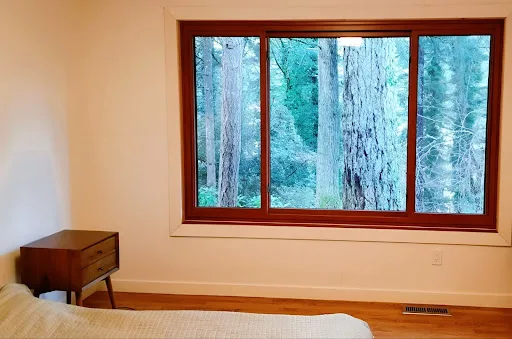
When designing a home, windows play a major role in how a space looks, feels, and functions. The right window style can enhance natural light, frame outdoor views, and improve indoor comfort by allowing fresh air to circulate. For homeowners who want expansive views without giving up ventilation, combination window designs offer an ideal solution. One of the most popular options is the casement picture window, a style that blends visual impact with everyday practicality.
What is a Casement Picture Window?
A casement picture window combines two distinct window types into a single unit: a large, non-opening picture window positioned centrally, with casement windows installed on one or both sides. The center picture window serves as the focal point, offering wide, uninterrupted views of the outdoors and flooding the room with natural light. Meanwhile, the flanking casement windows provide practical ventilation—these side panels open outward using a hand-crank mechanism, allowing fresh air to circulate through the space.
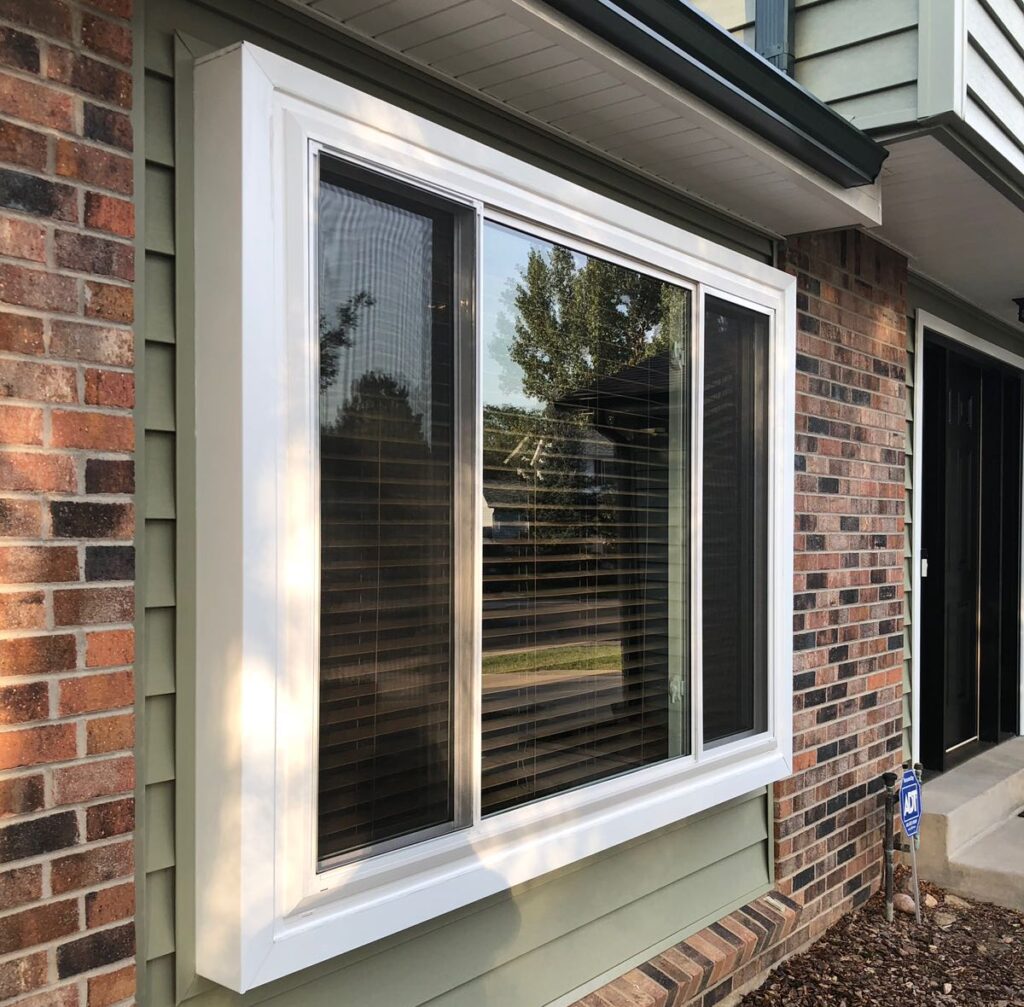
This hybrid design addresses a common limitation of traditional picture windows, which cannot be opened. By incorporating operable casements alongside the fixed center pane, homeowners gain both aesthetic and functional benefits. The expansive glass area creates a sense of openness and connects interior spaces to outdoor scenery, while the ventilating side panels help regulate indoor temperature naturally. This makes casement picture windows an excellent choice for rooms where you want to showcase a beautiful view—such as living rooms overlooking gardens or dining areas facing scenic landscapes—without sacrificing air circulation and comfort.
What Is the Difference Between a Casement Window and a Casement Picture Window?
A casement window is a single, operable window unit that hinges along one vertical edge and swings outward when opened using a crank handle. It functions independently and can be installed alone or grouped with other casement windows. The entire sash opens, providing full ventilation and unobstructed airflow through the opening.
A casement picture window, by contrast, is a multi-panel configuration that combines different window types within one frame assembly. It features a stationary picture window as the centerpiece—typically the largest section—with one or two casement windows mounted alongside it. The fixed center panel never opens and exists solely for viewing and light transmission, while only the casement sections provide ventilation. This hybrid arrangement offers a wider overall window span with greater glass surface area than a standalone casement, making it ideal for rooms where you want maximum daylight and views but still need the option to open windows for fresh air. Essentially, a casement window is fully functional for airflow, whereas a casement picture window balances dramatic visual impact with selective ventilation.
FAQs: Casement Picture Windows
Our most frequently asked questions about casement windows and picture windows:
What are the disadvantages of a casement window?
Casement windows have several drawbacks: they can’t accommodate window AC units due to their outward swing; the protruding sash when open can be hazardous in walkways or patios; exterior screens are required (adding cost); the crank mechanism can wear out over time; and they’re generally more expensive than double-hung windows. Wind can also slam them shut if not secured properly.
What is the difference between a picture window and a fixed window?
These terms are essentially synonymous—both refer to non-operable windows designed purely for viewing and natural light. “Picture window” typically describes large, prominent windows that frame outdoor views like artwork, while “fixed window” is the technical term for any window that doesn’t open. Picture windows are usually a specific style of fixed window emphasizing size and unobstructed views.
What is the difference between a casement window and a window frame?
A casement window is a specific window type that hinges on one side and swings outward like a door, operated by a crank mechanism. A window frame is a component—the structural border (made of wood, vinyl, or aluminum) that holds any type of window in place within the wall opening. Every window, including casement windows, has a frame.
Are picture windows still in style?
Yes, picture windows remain highly popular in modern design. They’re especially prominent in contemporary and mid-century modern architecture, where maximizing natural light and outdoor views is prioritized. Large picture windows are frequently paired with operable windows (like casements) to combine ventilation with expansive views. Their clean, minimalist aesthetic aligns well with current design trends.
Can you open a casement window without the crank?
No, not safely or effectively. Casement windows require the crank mechanism to operate properly—it controls the opening angle and keeps the window secure. Attempting to force it open manually can damage the operator hardware or the window itself. If the crank is broken, it should be replaced rather than bypassed.
Transform Your Home with DaBella’s Premium Vinyl Replacement Windows
Glasswing vinyl replacement windows offer outstanding comfort and energy efficiency through advanced double- and triple-pane construction. These windows enhance insulation, minimize noise intrusion, and support balanced indoor temperatures in every season. Low-E glass and argon gas fills that are customized to meet the demands of your regional climate.
DaBella provides convenient financing solutions, comprehensive warranties, and expert installation backed by responsive customer care. Select from our complete range of window styles—including casement windows, picture windows, double-hung windows, slider windows, awning, bay, and bow windows—or design a custom casement picture window that combines breathtaking views with practical ventilation.
Contact us today at 844-DaBella for your complimentary consultation and quote. Our experienced team will walk you through your options, comparing casement picture windows with traditional fixed picture windows to help you select the perfect configuration for your home’s unique needs and architectural style.