
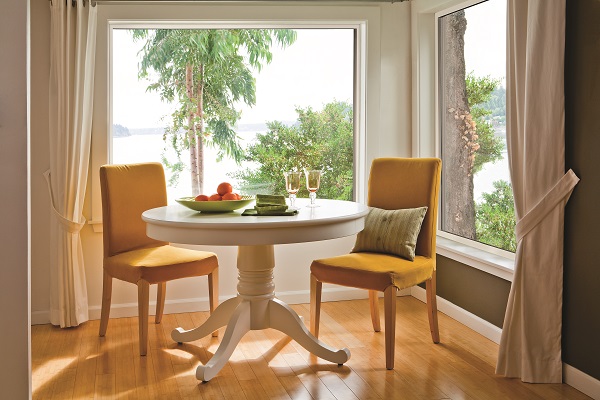
Picture windows stand as one of the most versatile architectural features you can add to your home. These large, fixed-pane windows frame outdoor views like living artwork while flooding interior spaces with natural light. Whether you are living with an existing picture window or considering replacement options, learning how to maximize this feature transforms it from simply functional glass into a defining element of your home’s character.
Utilizing Your Picture Window
Picture windows work differently from traditional operable windows. These permanently sealed window units are designed to showcase views and maximize natural light penetration. The fixed design offers advantages beyond aesthetics—picture windows achieve superior energy efficiency compared to operable windows since they have no moving parts, hinges, or hardware that can develop air leaks over time. The uninterrupted glass surface creates an expansive viewing area that makes rooms feel larger and more connected to the outdoors.
These windows work especially well in spaces where ventilation is not the primary concern. Living rooms benefit from picture windows positioned to capture stunning views or simply to brighten the space throughout the day. Dining areas become more inviting when natural light streams across the table during meals. Even bedrooms in private settings can incorporate picture windows to wake up to natural sunrise views. The key is placing these windows where their strengths-abundant light and unobstructed views-enhance how you use the space.
Picture Windows vs. Picture Window Units
The terminology around picture windows can cause confusion, but the distinction matters when planning replacements. A picture window refers to a single, large, fixed pane of glass set in a frame. This standalone unit cannot open and serves purely as a viewing portal. Picture window units, however, combine a central fixed pane with operational windows on either side—typically double-hung or casement windows that provide ventilation while maintaining the expansive central view.
When you are replacing an existing window, knowing this distinction helps you communicate effectively with contractors and make informed decisions. A single picture window suits locations where adjacent windows already provide adequate ventilation. Picture window units work better as primary windows in rooms where airflow matters, but you still want that commanding central focal point.
Options for Picture Window Replacement
Age eventually catches up with every window. Older picture windows develop problems that replacement solves effectively. Single-pane glass offers virtually no insulation, leading to uncomfortable temperature fluctuations near the window and higher energy bills throughout the year. Condensation between panes in failed double-pane units obscures views and indicates that the insulating gas has escaped. Visible deterioration in frames—rot in wood frames, corrosion in metal frames, or degradation in vinyl frames—signals it is time for replacement.
Picture Window Replacement Styles
Replacing a picture window opens up opportunities to reconsider both size and style. Standard picture windows maintain the traditional large, rectangular fixed pane that maximizes viewing area. These work in virtually any architectural style and provide the most glass surface area for natural light penetration. Modern picture windows come in custom sizes that can span entire walls, creating floor-to-ceiling glass expanses that blur the line between indoor and outdoor spaces.
Geometric picture windows break away from rectangular conventions. Trapezoid picture windows work particularly well in rooms with vaulted or cathedral ceilings, following the roofline while maintaining that expansive glass surface. Triangle picture windows fit perfectly in gable ends, turning awkward architectural spaces into dramatic light sources. Arched picture windows add classical elegance to traditional homes, with the curved top softening the overall appearance while still providing substantial viewing area.
Specialty shapes offer even more creative possibilities. Octagonal picture windows create unique focal points in entryways or stairwell landings. Circle or oval picture windows work as accent features, particularly effective when placed higher on walls where they bring in light without compromising privacy. Pentagon picture windows suit contemporary architecture where angular designs dominate the aesthetic.
Bay window configurations provide an alternative to flat picture windows by projecting outward from the exterior wall. The angled side windows combined with a central fixed pane create dimension while expanding interior floor space. Bay windows work exceptionally well in living rooms and dining areas where the projection can accommodate window seats or display areas for plants and decorative items.
Bow windows take the bay window concept further with four or five windows arranged in a gentle curve. This configuration creates an even more dramatic projection and works beautifully in formal spaces where elegance matters. The curved arrangement provides views in multiple directions while the graceful arc adds architectural interest to both interior and exterior elevations.
Replacing Picture Window Units with Alternative Configurations
Picture window units give you even more flexibility since you are working with multiple window sections. The classic configuration places a large, fixed center pane flanked by two operable windows, but replacement lets you explore alternatives that might better suit how you live.
Casement windows flanking a picture window provide maximum ventilation since casements open fully outward like doors. The crank mechanism allows precise control over opening width, and when fully opened, casements catch breezes and direct airflow into the room. This configuration works particularly well in kitchens and living areas where cross-ventilation matters for comfort. Casements also seal extremely tightly when closed, making them excellent for energy efficiency.
Double-hung windows on either side of a picture window offer traditional styling with practical function. Both sashes move independently, allowing you to open the top for hot air to escape or the bottom for fresh air to enter. This versatility suits bedrooms where you might want ventilation while maintaining security—opening only the top sash keeps the window opening out of reach from outside. Double-hung windows also tilt inward for easy cleaning from inside your home.
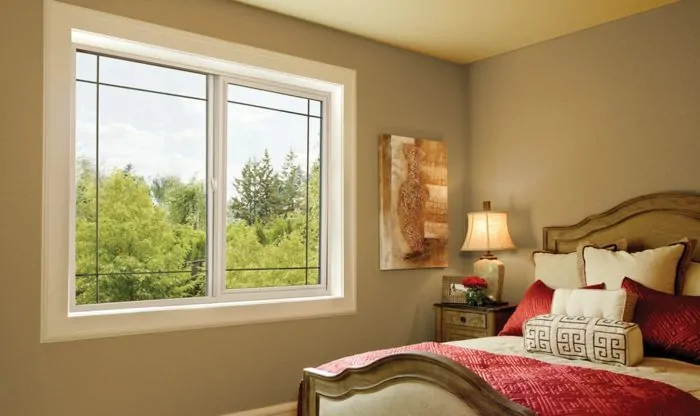
Sliding windows provide a contemporary look while operating smoothly with minimal effort. One or both panels slide horizontally, requiring no interior or exterior clearance space for operation. This makes sliders ideal for windows above countertops, desks, or furniture where outward-opening casements or inward-tilting double-hung windows would interfere with the space. Sliders work especially well in modern or ranch-style homes where horizontal lines dominate the architecture.
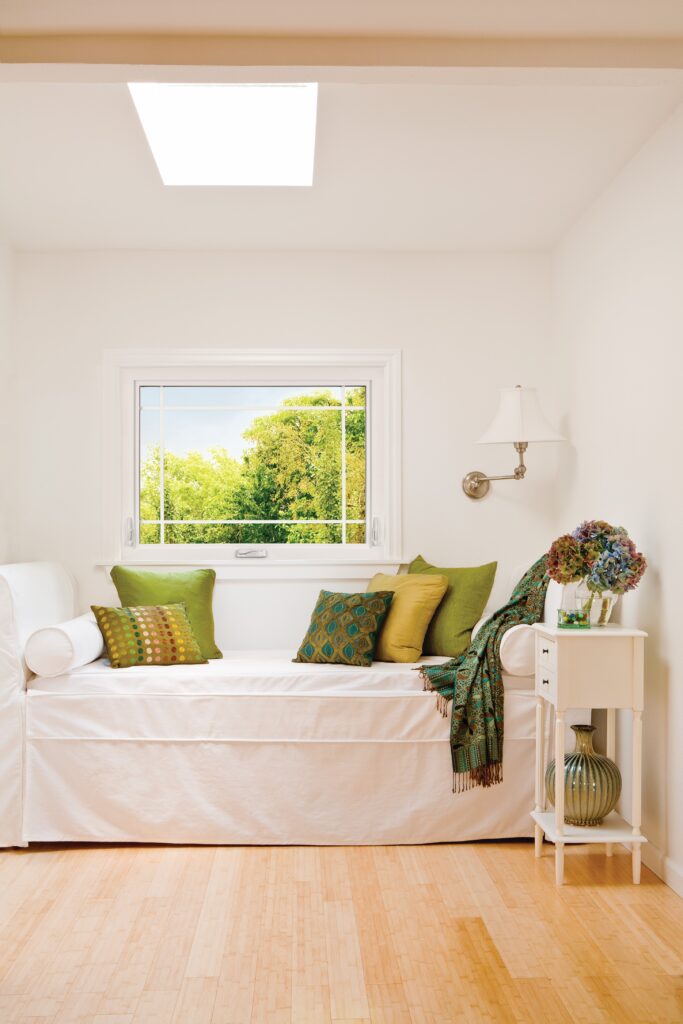
Awning windows positioned above or below a picture window add ventilation without replacing the flanking windows entirely. Top-mounted awning windows open outward and upward, allowing ventilation even during light rain since the opened window acts as an awning to shed water. Bottom-mounted hoppers open inward and downward, useful in basements or lower-level rooms where exterior clearance is limited.
Garden windows extend outward like miniature greenhouses, creating shelf space for plants, herbs, or decorative items. Replacing a picture window with a garden window works particularly well in kitchens where the projecting glass box can hold fresh herbs within easy reach of the stove. The angled glass sides and roof maximize sunlight exposure for plants while the front glass panel often opens for ventilation.
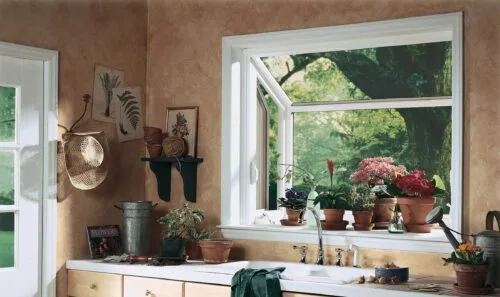
Transom windows above picture windows add architectural interest while bringing additional light to tall spaces. Fixed transoms maintain the picture window’s energy efficiency while extending the glass area upward. Operable transoms provide high ventilation that allows warm air to escape during summer months—particularly effective in rooms with high ceilings where heat naturally rises.
Multi-unit configurations offer almost unlimited possibilities. Three picture windows arranged horizontally create a panoramic view perfect for scenic locations. Stacking picture windows vertically suits two-story spaces like entryways or great rooms with soaring ceilings. Combining large and small picture windows in asymmetrical arrangements creates contemporary, dynamic facades that stand out architecturally.
Corner window systems replace two perpendicular picture windows with units that meet at a corner, often with a narrow structural post or even eliminating the corner post entirely. This configuration opens up corner rooms to wraparound views and floods the space with light from two directions simultaneously. Corner windows work exceptionally well in modern architecture where clean lines and glass expanses define the style.
How to Decorate a Picture Window With Accessories
Window treatments for picture windows require careful consideration since covering these expansive views often defeats their purpose. The goal is controlling light and privacy when needed without permanently blocking what makes picture windows special in the first place.
Sheer curtains offer an elegant solution that filters harsh sunlight while maintaining views and privacy. During the day, sheers soften intense light without creating a cave-like atmosphere. Mount curtain rods wider than the window frame, so you can pull sheers completely clear when you want unobstructed views. Floor-to-ceiling sheers emphasize the window’s vertical proportions and create a sense of height in the room.
Cellular shades provide excellent insulation while offering flexibility in light control. Top-down/bottom-up cellular shades let you lower the shade from the top for privacy while keeping the bottom open for views or raise from the bottom for the reverse effect. This versatility makes them particularly useful in bedrooms where you want morning light but need privacy from neighbors.
Roller shades in various opacities let you choose exactly how much light and privacy you need. Sheer roller shades filter light gently during the day while providing minimal privacy. Light-filtering roller shades reduce glare while still allowing soft light to enter. Blackout roller shades block light completely when you need darkness for sleeping or watching television without screen glare.
Valances and cornices add architectural interest to picture windows without covering the glass. A well-designed valance frames the top of the window while concealing curtain hardware or shade mechanisms. Wood cornices can be painted or stained to match room trim, creating a polished, finished look.
For large picture windows in rooms with intense sun exposure, consider exterior solutions like awnings or solar screens that block heat before it enters your home. These outdoor treatments improve energy efficiency more effectively than interior window coverings since they prevent solar heat gain rather than trying to manage it after it is already inside.
Window film technology has advanced considerably. Decorative films add privacy without blocking light—frosted, etched, or patterned films work particularly well for picture windows in bathrooms or along property lines where privacy matters. Solar control films reduce heat gain and UV damage while remaining nearly invisible. Security films strengthen glass against impact without changing its appearance.
Plants create natural accessories for picture windows. Large potted plants placed in front of picture windows thrive in abundant natural light while adding life and color to the space. Hanging plants suspended at varying heights create visual interest without blocking views at eye level. Built-in window seats below picture windows provide seating that takes advantage of views while creating display space for plants, books, or decorative objects.
FAQ’s: Picture Window Options
Our most frequently asked questions from homeowners looking at options for their picture windows:
Are picture windows still in style?
Yes, picture windows are very much still in style as of 2025. They align perfectly with ongoing design trends favoring minimalism, open-concept living, and biophilic design — the idea of blurring the line between indoors and nature. Modern, contemporary, craftsman, and even traditional homes all incorporate them successfully, and architects continue to specify them in new builds. If anything, the trend toward larger, more expansive glazing has made picture windows more relevant than ever.
What should you put on picture windows?
Since the whole purpose of a picture window is to frame a view and flood a room with light, the best approach is to keep treatments minimal or skip them entirely. If privacy or glare is a concern, solar shades or roller shades are the most popular choice because they sit flush, control light, and don’t visually shrink the glass. Sheer side panels on either side of the frame add a soft, decorative touch without blocking the view. For a purely decorative treatment, a slim cornice or valance at the very top can frame the window elegantly. The window sill itself can be styled with low-profile plants, candles, or small objects — just keep items low enough to preserve the sightline.
Are picture windows worth it?
For most homeowners, picture windows are absolutely worth it. Because they’re fixed and non-operable, they’re more airtight than comparable casement or double-hung windows, making them surprisingly energy-efficient, and they typically cost less than same-sized operable windows. They maximize natural light, make rooms feel larger, boost curb appeal, and can dramatically elevate a space when positioned to frame a great view. The main trade-off is zero ventilation — no opening for fresh air — so they work best when paired with operable windows nearby. If your priority is light, views, and aesthetics over airflow, picture windows deliver excellent value.
Contact DaBella Today to Schedule a Free Window Replacement Quote
Ready to replace your picture window or upgrade to a picture window unit? DaBella offers premium Glasswing vinyl replacement windows engineered for superior energy efficiency and lasting performance. Our extensive selection includes picture windows in various sizes and shapes, plus picture window units configured with your choice of flanking casement, double-hung, or sliding windows to match your ventilation needs and architectural style.
Every Glasswing vinyl replacement window features multi-chambered vinyl frames that provide excellent insulation, advanced Low-E glass coatings that block UV rays while allowing natural light, and argon gas fills that minimize heat transfer. Professional installation ensures your new windows perform exactly as designed, with proper flashing, insulation, and weather sealing that prevents air and water infiltration.
DaBella backs every window replacement service with a limited lifetime warranty covering both materials and workmanship, giving you confidence that your investment is protected for as long as you own your home. Our window specialists will assess your current windows, discuss your goals for natural light and views, explain your options, and provide transparent pricing with no pressure to commit.
Contact DaBella today at 844-DaBella to schedule your free window replacement consultation and discover how new picture windows can transform your home’s comfort, efficiency, and appearance.